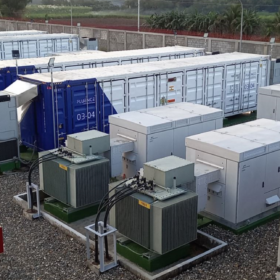
IHS Markit: Battery prices won’t fall until 2024
The London-based analyst has published a series of clean tech predictions for the year which also highlighted the rising proportion of sub-5MW solar projects in the global market, and cheaper clean energy financing costs even as panel prices continue to rise.
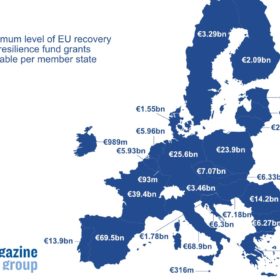
EU member states to spend €18bn of Covid cash on renewables
The 22 nations which have had their “recovery and resilience” spending plans approved by the European Commission are set to devote billions to clean energy facilities, with the cash set to be disbursed in three payments to the end of next year.
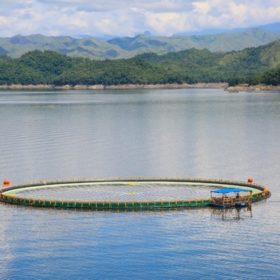
Philippine irrigation body offers up sites for floating solar
With senators having called for plantation-wide solar powered pumping projects, funded by public money, the country’s National Irrigation Administration has agreed and said it wants to embrace floating solar facilities too.

World’s largest off-grid battery project reaches financial close
A consortium of developers led by ACWA Power has secured financing for the Red Sea project, on the west coast of Saudi Arabia, which is set to feature a 320MW solar array and a 1.3GWh off-grid battery.

Zinc miner goes solar as African Development Bank pushes off-grid finance
A business based at a Namibian mine has signed a 15-year power purchase agreement which will back the construction of a 5.4MW solar project. Elsewhere, the AfDB wants to roll-out solar panels to provide electricity access to six million people across six nations over the next six years.

Impressive numbers for Chinese solar panel glassmaker
Xinyi Solar has proposed a dividend for the second year running as it announced shareholders would bank net profits of $630 million despite rising materials and shipping costs last year.
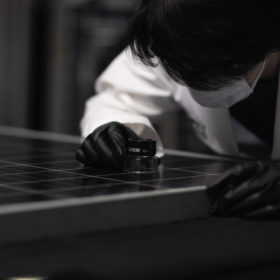
The weekend read: Buyer power in a tight PV module market
Material shortages, trade restrictions, and shipping bottlenecks create challenges for PV module buyers, but the good news is that there are steps to take to ensure quality supply in a timely fashion. PVEL CEO Jenya Meydbray takes us through best practice for module buyers in the current market climate.
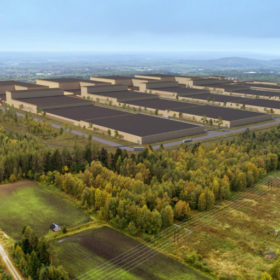
European Commission moves on battery skills and forced labor
The EU’s executive body will supply €10 million to the European Battery Academy program launched in Brussels yesterday which aims to train the 800,000 battery workforce it has been estimated will be required in three years’ time.
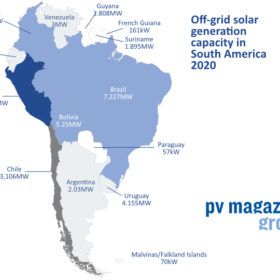
Guyana tenders for solar on public buildings
The prime minister of the South American nation, one of the most recent arrivals to the club of oil-producing states, has spelled out how his country plans to move to a low-carbon economy.
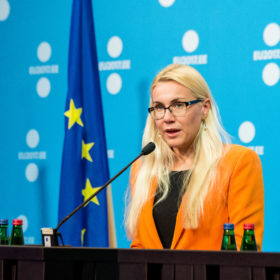
EU member states have three weeks to sign up for Europe-wide renewables tender
The European Commission’s proposed renewable energy financing mechanism would enable wealthier EU nations to fund clean energy projects in poorer neighbors rich in solar potential.
