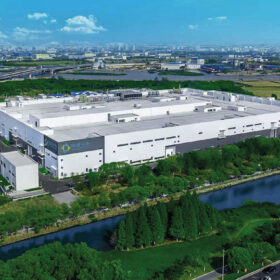
GCL Optoelectronic targets 2026 IPO, US plant, space solar rollout
GCL Technology says its GCL Optoelectronic subsidiary plans a Hong Kong initial public offering (IPO) in 2026, alongside a potential 500 MW factory in the United States and a roadmap for space-based solar.

Maxeon files for restructuring in Singapore
Company statements in a filing with the U.S. Securities and Exchange Commission indicate it will seek an arrangement between itself and creditors that may allow it to survive “as a going concern.”

BBDF 2026: Finance, tolling, and getting the merchant balance right
As Europe prepares to roll out 200 GWh of battery storage over the next five years, discussion at the Battery Business & Development Forum 2026 turns to how financing models are rapidly shifting. Bankers, developers and stakeholders shared key pain points with the audience, as well as practical advice.

IFC loans $125 million for polysilicon factory in Malaysia
The International Finance Corporation is providing an A Loan to Malaysian polysilicon producer OCI TerraSus that will partly finance the development of a semiconductor-grade polysilicon production facility in Sarawak, Borneo.
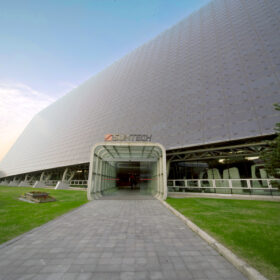
Hysolar moves to take control of Suntech
Hongyuan Green Energy (Hysolar) says it plans to take control of Wuxi Suntech Solar Power through a court-led restructuring that transfers core assets into a new entity while isolating legacy debt.

Croatia to invest €40 million in household solar, batteries, heat pumps
The Croatian government’s latest set of energy support measures includes new financing for residential solar, batteries and heat pumps, expected to support up to 15,000 applications, as well as an extension of existing electricity price subsidies for homeowners.
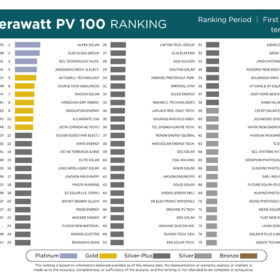
Who are the Top 100 PV manufacturers today?
The Terawatt PV 100 ranks the top 100 solar manufacturing companies using a new methodology based on production scale, financial strength, and corporate transparency, with Tongwei leading the Q1 2026 list and most top firms headquartered in China. The analysis highlights increasing global supply-chain scrutiny driven by tariffs and ESG mandates, while also showing rising influence from Indian companies and strong positions for key materials and equipment suppliers.
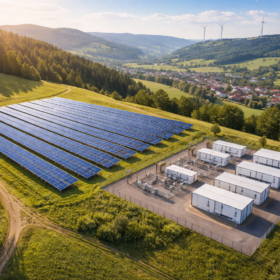
Why technical due diligence is becoming the backbone of Europe’s solar-storage boom
Europe’s hybrid solar-plus-storage projects are growing rapidly, but increasing complexity means treating technical due diligence as a formality is now a serious risk. Rigorous, lifecycle-based technical due diligence (TDD) – covering financial, supply chain, digital, and ESG factors – is essential to ensure project reliability, investor confidence, and a resilient clean-energy transition.

Japan finances 130 MW solar project in Tunisia
The latest round of Japan’s carbon financing program, which provides financial support for low-carbon infrastructure projects in partner countries, is backing a 130 MW solar project being built in southeastern Tunisia.
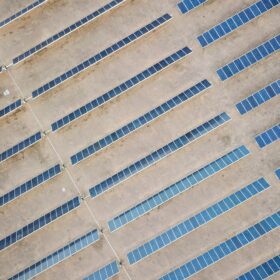
South Africa’s largest PV project reaches financial close
A 620 MW solar project to be constructed in South Africa’s Free State has reached financial close. The milestone follows the signing of a more than 20-year multi-offtaker wheeling agreement with commercial and industrial clients.
