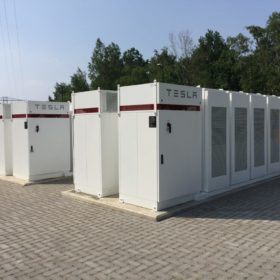
Chinese solar developer expects $0.22/W cost for lithium-ion storage in 2023
The board of Xinyi Solar has announced it expects to have to install energy storage at its Chinese solar projects from July onwards, as a result of the recently launched five-year plan.

China’s Covid recovery saw green bond issuance rebound in second half of 2020
The $18bn worth of sustainable finance instruments floated in the nation last year marked a retreat from previous highs but, with most of the bonds issued from July onwards, the recovery is under way, according to the IFC, which is anticipating a more-than-$100 billion sector in emerging markets over the next three years.
EU moves step nearer €11.5bn fund for coal-dependent regions
The European Parliament appears to have made the terms of the energy transition funding stream for public sector entities more favorable by securing a bigger slice of non-repayable grant cash for the bloc’s most deprived regions.
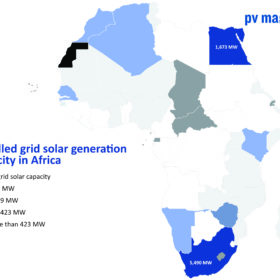
EU to offer expertise to drive renewables-friendly policy across Africa
The oft-heard industry call for more supportive policy for renewables, this time in Africa, has prompted the European Commission to pledge to work with its continental counterpart on improving the clean energy regulatory environment.
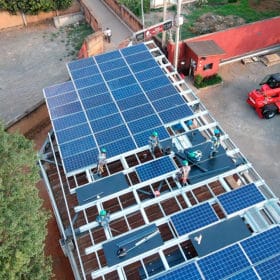
African solar installers feel the pinch of rising panel prices
With Chinese manufacturers having warned they will pass on escalating component costs, and shipping expenses soaring since last summer, the rising price of solar is forcing some installers to redraft quotes, pv magazine has discovered.
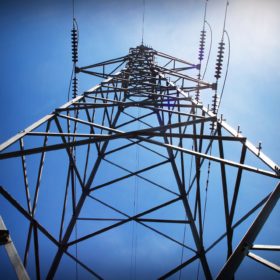
U.K. takes another tiny step to smart energy system
Energy regulator Ofgem has announced it aims to bring in market-wide half-hourly settlement across the retail electricity market – from October 2025. The long timescale reflects a sluggish attitude at an inconsistent regulator which appears to be planning an unpredictable route to net zero.
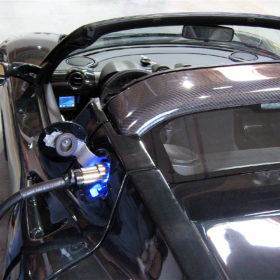
Add electric vehicles, not bulk transmission, for a low-cost, clean grid: UC Berkeley study
A 90% clean grid with a transition to EVs would achieve lower electricity costs than one without, the study shows. Transmission investments would mainly be spur lines to new renewable generation.
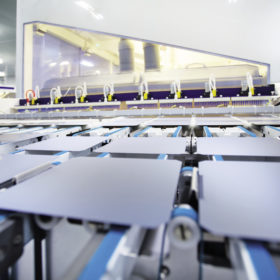
Longi crowned king of solar with 24.5 GW of panels shipped in 2020
With production capacity expanded for solar wafers, cells and modules last year, and set to rise again in 2021, the giant is targeting shipments of 40 GW of panels this time around.
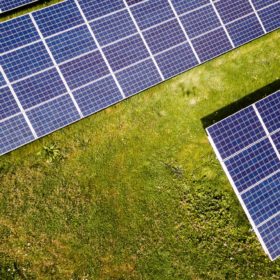
Irico emphasizes picture of boom time for solar panel glassmakers
The state-owned PV glass manufacturer, which claims to be one of the world’s big three, hived off its distracting new materials, solar module, and solar project development businesses to focus entirely on its core output in 2020.

Covid delays drove 20% dip in solar project revenue for Chinese developer last year
But new ventures into coal-fired steam and petrochemicals products helped state-owned China Shuifa Singyes towards a significantly healthier balance sheet in 2020.
