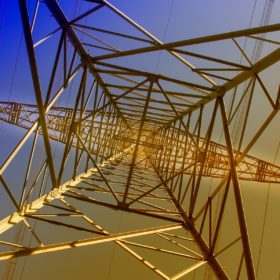
Grid-connected solar outpacing remote installations in Bangladesh
Industry figures indicate the expansion of the Bangladeshi grid is hitting demand for the solar home systems which have traditionally generated power for homes formerly out of reach of the electricity network.
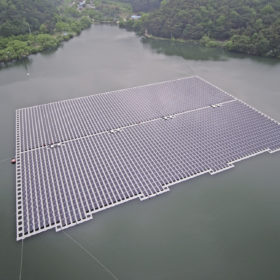
Vietnam to hold auctions for 400 MW of floating solar
Following its decision to switch from fixed feed-in tariffs to reverse auction bidding for the setting of solar incentives, the Vietnamese government has decided to devote the first two pilot auctions to floating PV. A first procurement exercise, for a project which could reach 100 MW of generation capacity, will be held this year.

AECEA says China will add up to 31 GW of solar this year
The analyst expects the final figure for new PV generation capacity in 2019 to top out at 20-24 GW thanks to the delayed introduction of a new solar policy, land scarcity, financing problems and grid connection issues. There are clouds on the horizon too, with China set to remain wedded to coal for the foreseeable future.

Newly re-listed JA Solar unveils production expansion plans
The Chinese manufacturer debuted on the Shenzhen exchange in mid December, after de-listing from New York’s NASDAQ in 2018. The company plans to roll out 10 GW of new module capacity and 5 GW of cell lines over four years.

Chinese investor buys 14% stake in Comtec Solar
Sun Da has moved to become the lithium energy storage and electric vehicle battery company’s second largest investor, raising HK$10.3 million for the business in the process.

Bangladesh tenders 50 MW solar plant
A pre-bid meeting has been arranged on January 20 for the project, which is being financed with a $74 million World Bank loan.
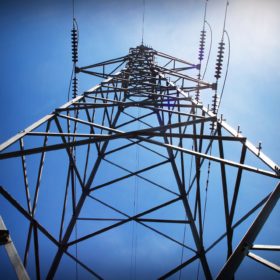
Solar-plus-storage will start to make big inroads in the year ahead
By this time next year we may be able to wave goodbye to that old chestnut about renewables endangering security of supply. Elsewhere, the price of lithium – and the products it goes into – could go either way after tanking this year.
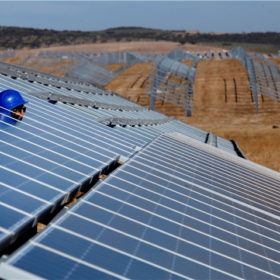
Iberdrola finishes building 500 MW solar park in Spain
The Spanish utility said it is now ready to connect the Nunez de Balboa project to the grid. The facility is expected to start generating electricity at some point in the first quarter of 2020.
Indian PV to take off after gloomy 2019
India’s annual solar installations are set to exceed 10 GW in 2020, following a year marked by political uncertainty, module price increases associated with safeguard duties, and a lower number of awarded tenders. The outlook for battery energy storage installations for solar projects is particularly bleak, however, as such combinations in India can cost three to five times more than standalone renewable projects.
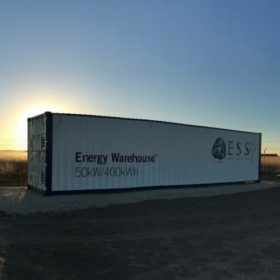
U.S. research teams aim for long-duration storage at $0.05/kWh
To get long-duration storage costs down to $0.05/kWh, research teams funded by ARPA-E are pursuing breakthroughs in flow batteries, hydrogen storage and other technologies – even thermovoltaics.
