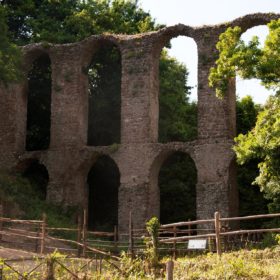
Italy’s historic ’Tuscia’ region deluged by 1.35 GW of large scale solar
The central Italian province of Viterbo has 1,359 MW of solar generation capacity in the development and approvals process. The mass of projects has raised opposition from some locals and developers are in talks with government officials to discuss how concerns can be addressed.
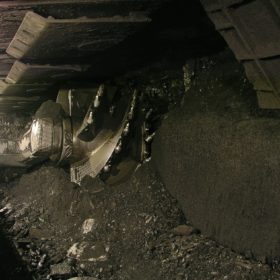
Another Polish coal mine powered by solar
Poland’s fourth largest energy company, Enea, will build a 30 MW solar plant for the Bogdanka coal mine in which the utility is majority shareholder. The project will sell power to the mine through a long-term supply deal.
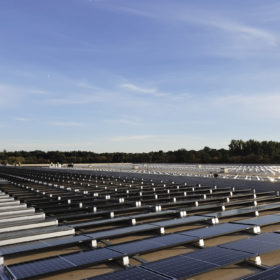
France assigns 129.4 MW in commercial and industrial PV tender
The final average price for power generated by solar systems with a capacity of 100-500 kW came in at €97.48/MWh. The price for 500 kW-8 MW installations was €86.54/MWh. Only the latter category saw a fall in price compared to the previous commercial solar tender.

It’s official: The bifacial tariff exemption is over
The office of the U.S. Trade Representative has removed the exemption of bifacial products from Section 201 tariffs, effective October 28.

Siemens backs 5 GW green hydrogen plan for Australia
A massive green hydrogen production project has been unveiled in Western Australia with Siemens on board as technology partner. The location has been touted as Australia’s best for solar and wind power generation potential.

Stock markets pumped $1.3bn into solar in the last quarter
Fundraising activity for solar leaped in the July-to-September period to provide healthy quarterly and year-so-far comparisons on 2018.
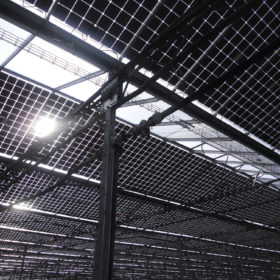
Bill for replacement inverters and other solar maintenance could hit $9.4bn by 2024
This year will see strong growth for the global PV market, to 114 GW, and that pattern will continue in the years ahead, according to analyst Wood Mackenzie. a report has highlighted soaring inverter replacement costs for PV project owners as a side-effect of the solar success story.

Masdar wins Uzbekistan’s 100 MW PV tender with lowest bid of $0.027/kWh
Uzbek utility Uzbekenergo had received 23 offers for the 100 MW tendered solar plant. Two more solar tenders, with capacities of 400 MW and 500 MW, respectively, will be launched in the near future.
World Bank: Nigeria’s mini-grid sector set to boom
A World Bank presentation in London drew an encouraging picture for the Nigerian market by explaining why the mini grid segment will take off in the next 12 months.

Solar and wind make coal unprofitable in Japan
Recent investments into 11 GW of new coal generation capacity may result in reduced operating cashflows of $71 billion. That will occur, according to a report from the Carbon Tracker Institute, because solar and wind will become cheaper than coal in Japan by 2025 at the latest, despite high renewable energy costs at present.
