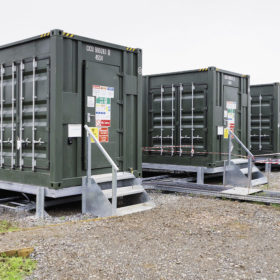
Solar-plus-storage vs grid enhancement, part IV
Co-location of solar and storage may accelerate the deployment of profitable merchant renewable energy projects in the United Kingdom, according to a report by Aurora Energy Research. The study predicts installed solar capacity in the U.K. may increase from around 13 GW next year to 19 GW in 2030 and 32 GW in 2040.
‘The world has no chance of beating climate change if natural gas is part of the mix’
A report by Germany’s Energy Watch Group thinktank has said we would be better off sticking to coal and oil than switching to gas because emissions of methane, the most potent greenhouse gas, caused by gas extraction render any related carbon savings irrelevant.

Sahel regional leaders give new push for 10 GW Desert to Power initiative
The African Development Bank last year disclosed a plan to install 10 GW of solar in the deserts of the Sahel. A recent summit held in Burkina Faso may have brought the ambitious project a step closer.

Spain’s first auction project online as a new 300 MW power supply deal is signed
Enel Green Power has plugged in the 85 MW Totana solar plant, the first project to come online from the renewables auction held by the Spanish government in July 2017. Elsewhere, Solarcentury and Encavis announced their 300 MW Talayuela project has secured a 10-year power purchase agreement.

South Sudan to embrace renewables
The South Sudan Electricity Corporation is seeking consultants to define the nation’s Renewable Energy Development Program and its related tender mechanism. The plan could put the world’s youngest country – which is in the grip of a long, brutal civil war – on a path to sustainability.

EU approves Eon’s bid to take over Innogy
It took a while, but now the energy giants can finalize the mega deal. Rival energy companies have criticized approval of the deal amid fears Eon could dominate the German market.
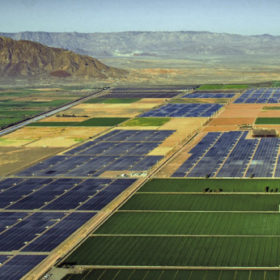
The US tops 37.9 GW of large scale solar
That record figure of utility scale PV was under contract at the end of June with 8.7 GWdc under construction. However, installation levels fell slightly, year-over-year.

ACWA Power offers African record low $0.02526/kWh for Ethiopian projects
Ethiopia has concluded the tender process for the first round of its Scaling Solar program. The winning bid is the lowest in the continent to date, according to the finance ministry.
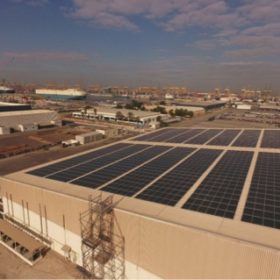
Dubai has 106 MW under net metering
Most of the generation capacity – around 63 MW – was deployed in the emirate over the last 14 months.

Colombia imposes renewables quota on power distributors
The obligation will be applied annually from 2022. The clean electricity required will have to be bought through power purchase contracts of at least 10 years’ duration.
