EU lender pitches in for LG Chem battery gigafactory in Poland
The European Bank for Reconstruction and Development is lending €250 million for a project which has expanded from producing an initial 100,000 EV batteries per year to an hoped-for 1 million by 2022, creating 1,000 new jobs along the way.
SolarEdge reports $1bn revenue in nine months
The third-quarter results for the inverter maker are in and look promising. All performance indicators are up for the steadily growing company.
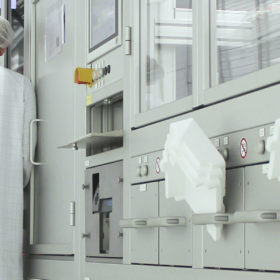
Valoe’s Lithuanian gamble rides on latest fundraising attempt
The Finnish solar manufacturer must raise €3.5 million from a convertible bond issued on Monday and which closes on December 18. Generate the cash and production is expected to start at the Solitek facility in Vilnius early next year. Fail, and (almost) all bets are off.
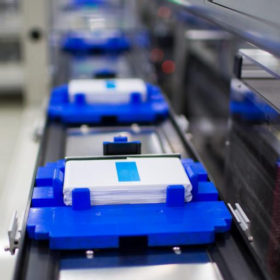
E-waste company opens battery recycling plants in Singapore and France
TES issued a press release announcing the new facilities that is light on detail but claimed the plants would position it as ‘a leader’ in battery recycling. The company also announced an intent to move into the reuse of spent electric vehicle batteries in commercial and residential applications.

Engie Australia readies 2 GW renewables war chest
The French energy company is preparing a fund to develop clean energy in Australia over the next ten years. The move comes despite a federal energy policy vacuum that industry insiders fear is deterring investment.
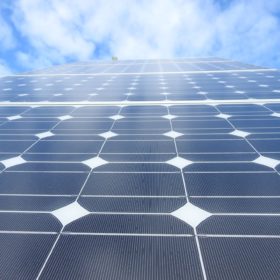
European solar manufacturer body hits out at EU focus on post-production eco labelling
The European Solar Manufacturing Council says a decision by policymakers to disregard the carbon footprint of imported solar products ‘makes absolutely no sense’. Talk of ‘jobs which require a rather low qualification’, meanwhile, is unlikely to heal the widening rift with solar project developers and panel installers.
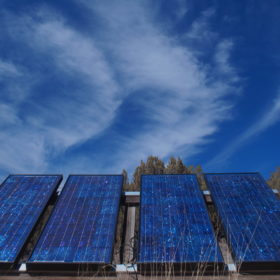
Bangladesh nears net metering policy for solar irrigation pumps
Firming up the payment system for solar energy exported back into the grid from PV-powered pumps will offer owners a new revenue stream, eat into a $1 billion annual diesel fuel bill and reduce strain on the grid by up to 1.5 GW daily during the agricultural season.
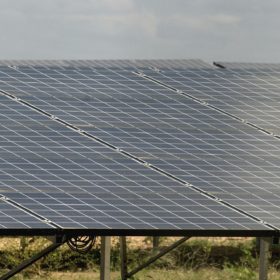
Brazilian regulator wants to reduce net metering credit and introduce grid fee
Electricity regulator ANEEL has proposed applying a fee for solar systems with up to 5 MW of generation capacity and reducing energy payments for participants in the nation’s net metering program.
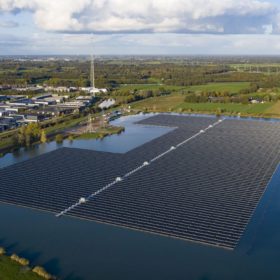
BayWa commissions 25 MW of floating PV arrays in the Netherlands
Floating PV installations in Asia may be much larger but the trend is catching on in the EU and, pending a supportive regulatory environment and incentives, the technology could offer several dozen gigawatts of generation capacity in Europe.
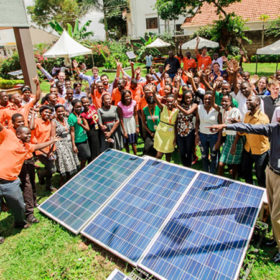
PowerGen closes funding for electricity access for a million people
The microgrid utility has raised enough capital from Shell New Energies to deploy systems across sub-Saharan Africa.
