Xinyi Solar shares issue to raise cash for production expansion and PV project development
Almost 5% of the Chinese solar glass manufacturer’s stock will be issued in a bid to generate $167 million towards the cost of two fabs planned in Guangxi next year. Xinyi also wants to expand its successful project development business.
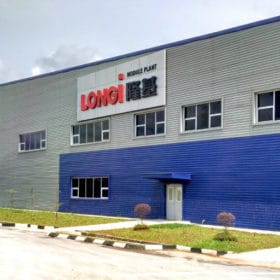
Longi’s 5 GW high-efficiency mono PERC factory will be at full capacity ‘soon’
The Chinese panel maker is already producing bifacial half cut modules at its new Anhui fab after the completion of an initial 2.5 GW phase of operations. And the company president confirmed Longi is on track for 45 GW of mono wafer and ingot production capacity next year.

Norway saw 23.5 MW of solar come online in 2018
Despite the small figure, last year saw the nascent Norwegian PV market expand 29% from the previous year. The country’s cumulative installed PV capacity reached approximately 68 MW at the end of December.
Tesla borrows $520m from Chinese state-owned lenders for Shanghai Gigafactory
The electric carmaker has signed 12-month credit agreements with three of China’s ‘Big Four’ lenders as well as the development bank for Shanghai as it aims to get its lower-priced Model 3s rolling off the production line by the end of the year.
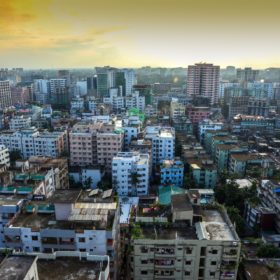
World Bank provides $185m for 310 MW of renewable capacity in Bangladesh
Multilateral lender hopes to leverage $212 million more from the private sector as falling solar development costs make renewables more attractive. A solar plant with a 50 MW capacity in Feni will be one of the first to benefit from the new funds.
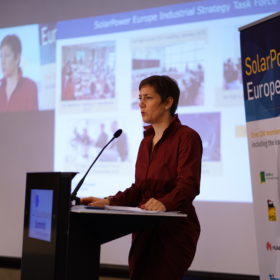
SolarPower Europe’s industrial strategy is almost ready
At the Solar Power Summit in Brussels today, the industry group said it is preparing to launch a supply-side oriented industrial policy for the PV sector in Europe. The manufacturing sector on the continent has been hard hit since 2012, and has been buffeted by a range of unfavorable policy decisions.

Brazil to hold next A-4 auction on June 27, solar likely to be included
The Ministry of Energy and Mines is planning nine energy auctions up to 2021. The plan includes two “new energy” procurements per year – A-4 and A-6 auctions – and one per year for existing power plants. It is unclear whether solar will be eligible and, if so, which auctions it would compete in, but Brazilian solar association ABSOLAR is confident PV will admitted to both.

Gujarat’s 1 GW solar tender fails to attract bidder
Developers turned their back on a procurement exercise linked to projects at the Dholera Solar Park, after insisting the challenging terrain meant the electricity price ceiling stipulated by the state would make projects unviable.
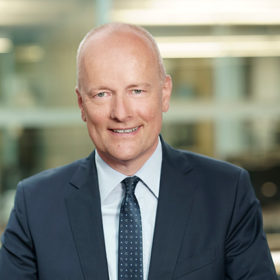
Munich Re’s new policy could help lever solar investment
Insurance is seldom sexy but climate change campaigners will raise a glass to Munich Re if the industry emulates its policy to cap the financial risk related to battery warranties and helps lift global investment in energy storage as a result.

Australian corporate renewable energy portal has 7 GW up for grabs
As the business case grows for corporates to sign renewable energy power deals, and Australia’s renewable project pipeline expands, the country’s first marketplace has opened for buyers and developers to form perfect power couples.
