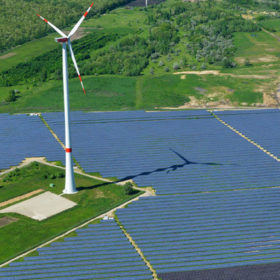
2035: The renewable energy tipping point
The tipping point, where the world shifts from oil and gas to renewables, will be the year 2035, says Wood Mackenzie. This is when renewables and electric-based technologies converge, with around 20% of global power needs being met by solar or wind, and roughly 20% of miles traveled by cars, trucks, buses and bikes using electricity. Will the transition come soon enough, however?
Deloitte sees renewable energy in the fast lane
Solar PV and wind energy are now evolving from established to the preferred energy sources, according to a recent Deloitte study analyzing the global renewable energy market.
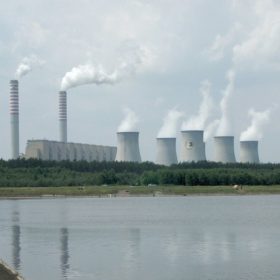
Solar, not coal, can stop hike in electricity prices in Poland
Polish research institute IEO released a new analysis showing increasing power prices in the Eastern European country, due to the current energy policy, which still strongly relies on coal power. Replacing coal with solar power, it argues, would likely result in decreasing power prices.

Jamaica’s prime minister calls for 50% renewables by 2030
Jamaica is currently targeting a 30% share of renewables in its energy mix by 2030. However, the nation’s prime minister says, “We can do better.”
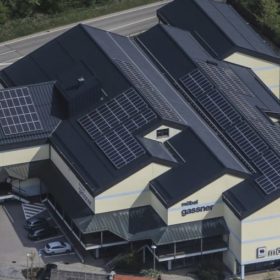
WWF says 2% of Germany’s surface is enough for 100% renewables
An analysis of the World Wildlife Fund (WWF) assumes that a maximum of 2.5% of Germany’s land is needed for the energy transition. With a higher share of solar in the electricity mix, however, this percentage would be lowered to 2%. The study also says that the expansion of renewables will not endanger nature protection.
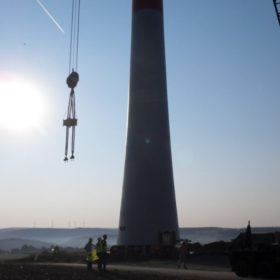
Digital Energy Solutions wins tender for 2.19 MWh of storage in Germany
The Munich-based company will receive up to €2 million for a large-scale storage facility in southern Germany. The system will consist of 52 lithium-ion car batteries –which are also used in the BMW i3 – and will be coupled with a wind farm.

Reports of death of US nuclear and coal bailout may not be exaggerated
Rumors of a u-turn on energy policy in the White House have been substantiated by pv magazine’s enquiries, although the respite for renewables may prove temporary, thanks to another fossil fuel-friendly nomination by President Trump.

Chinese market turbulence affects another slew of PV employees in Taiwan
TSEC is planning to cut a fifth of its workforce as it changes focus to produce higher-efficiency PERC cells, against a backdrop of more generic products swamping the market because of a slowdown in the world’s biggest market.

‘There is no alternative to a world of 100% renewables’
Electrifying the global energy system with clean energy is the only way to reach the targets set by the Paris agreement on climate change and avoid the catastrophic scenarios outlined by the recent IPCC report. In an interview with pv magazine, Christian Breyer – Professor of Solar Economy at Finland’s Lappeenranta University of Technology – explains a 100% renewables model is not only technically feasible, but also the cheapest and safest option. With solar and storage at its core, the future energy system envisaged by Breyer and his team will not only stop coal, but also nuclear and fossil gas, while seeing solar reach a share of around 70% of power consumption by 2050. By that time, PV technology could cost a third of its current price.

Ukraine’s Naftogaz begins investing in solar power
The nation’s oil and gas provider is building its first small-sized PV projects at facilities operated by Ukrtransgaz, the Ukrainian gas transport system.
