
SolarWorld Americas comments on duties exemptions for competitors, SunPower
Shortly before the announcement of its acquisition by SunPower, SolarWorld’s former U.S. subsidiary commented on the request by its competitors to be exempt from the new U.S. solar PV import tariffs.
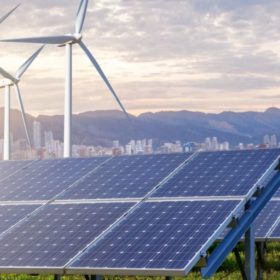
IEA-PVPS: Integration of solar requires improved forecasts, flexibility resources, more storage
In a new report, the association states that urgent action is required for, among other issues, the improvement of solar generation forecasts, the exploitation of storage systems, and the reduction of minimum operation and start-up times for both existing and new thermal and hydro generators.
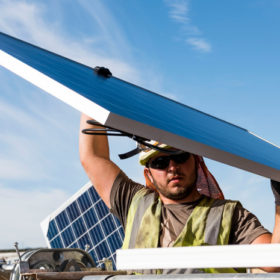
Netherlands urgently needs qualified workforce for solar and renewables
The alert came from the Dutch Social and Economic Council, which advised the government to invest in, among other things, training more workforce specializing in building and maintaining renewable energy power plants. On the other hand, is a fact that qualified installers are urgently needed to deploy the several GWs of of solar power allocated under the SDE+ incentive program.
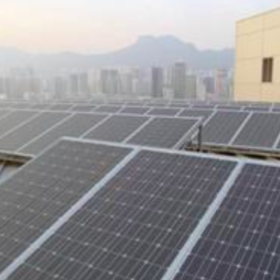
Hong Kong authorities propose generous new rooftop solar FIT
The Hong Kong government will start discussing plans from early next week to give owners of residential and commercial rooftop solar PV systems the chance to sell surplus electricity to the grid.
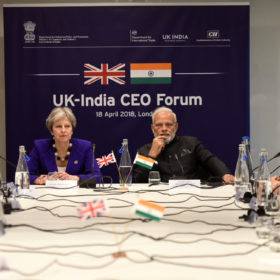
UK, India strengthen solar ties with new commitments
The governments of the U.K. and India have announced a new green fund, managed by Lightsource BP and the Everstone Group, which will see up to £500 million invested in green energy in India. The U.K. has also joined the Indian-led International Solar Alliance (ISA).
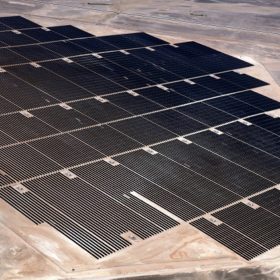
Jordan mulls 35% domestic content requirement for solar
A proposal to make domestic content requirement mandatory for solar PV energy projects is currently being discussed by the Jordanian Parliament.

Palestine issues tender for 35 MW of rooftop solar
Through the tender, the Palestine Investment Fund is aiming to install solar PV systems with an average installed capacity of 70 kW on the roofs of 500 public schools in the state.
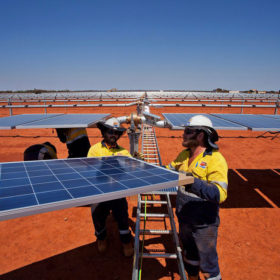
Australia: Fast-falling EPC prices make sub-$60/MWh solar feasible
Analysis from Rystad Energy has revealed that sub-AU$60/MWh utility-scale solar projects could be viable in sunny parts of Australia today. The highly competitive EPC landscape has been identified as the major driver of the improving PV power plant economics although, as always, cost of capital remains key.

Poland’s PV capacity reaches 281 MW
In 2017, newly installed solar power in Poland reached around 81 MW, the majority of which comprised PV installations 40 kW or smaller in size.
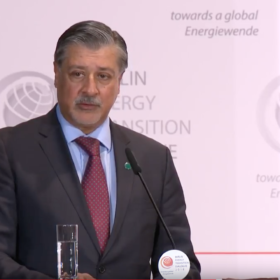
IRENA: Renewables can account for up to two-thirds of total energy use, and 85% of power generation by 2050
In the latest edition of its long-term renewable energy outlook, IRENA calls for at least six-fold deployment of renewables by 2050, compared to the levels set out in current plans. Investment in low-carbon technologies needs to grow by around 30% to US$120 trillion to enable the energy transition and avoid escalating stranded assets, the report finds.
