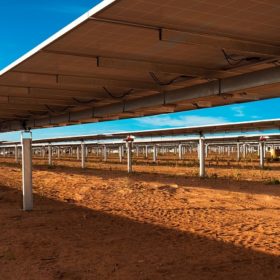
The path to US$0.015/kWh solar power, and lower
GTM Research projects US$24 cent/w solar panels and utility scale fixed-tilt systems at US$70 cent/W by 2022, which opens up new possibilities for ultra-cheap power from solar.
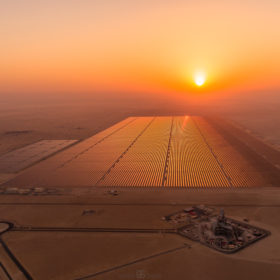
Dubai set to launch phase V of Mohammed bin Rashid Al Maktoum Solar Park
The Dubai Water and Electricity Authority (DEWA) has issued a tender to seek IPP advisory services for the fifth phase of the gargantuan solar plant. After launching the first four phases, which are set to reach a combined capacity of 1 GW, the emirate is now assessing how to reach the 5 GW target set for the project by 2030
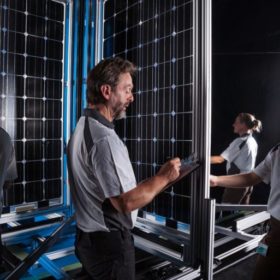
Open letter: German government must protect its solar industry
In an open letter, more than 30 German PV companies and research institutes demand an industrial strategy to retain a domestic solar industry. According to the signatories, that means increased co-operation with France and the consideration of sustainability criteria for PV tenders
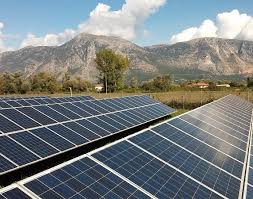
Voltalia bags PPA for 50 MW in Kenya
A PV power plant will be located in Kopere, western Kenya, and will deliver electricity to local power provider KPLC
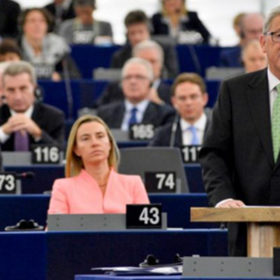
Around 250 signatories call for an end to EU anti-dumping measures
In a letter to European Commission President Jean-Claude Juncker, more than 250 organizations and companies from EU member states have called for the termination of trade restrictions applied to Chinese PV manufacturers. The current anti-dumping and anti-subsidy tariffs – and minimum import prices for Chinese crystalline modules and cells – are due to run until 3 September
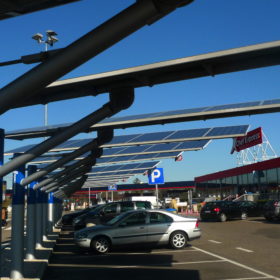
France sees first-quarter PV additions almost treble
New grid-connected PV systems from January to March totaled 246 MW, to take the nation’s cumulative capacity to 8.3 GW
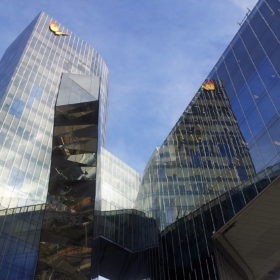
Gas Natural Fenosa breaks ground on 50 MW solar park
The project was awarded by the Spanish government in an auction held in July. Fenosa plans to finish work on the facility by the end of this year
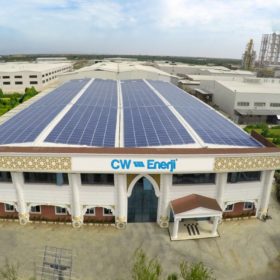
CW Enerji to build 420 MW module factory in Turkey
The Turkish company, which has invested an initial $26.6 million in the manufacturing facility, hopes to raise its annual capacity to 1 GW
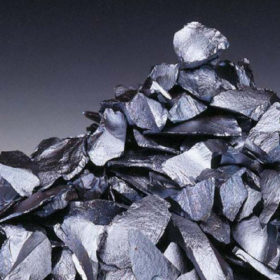
Daqo gets government approval and cheaper power for poly production expansion
The Chinese giant wants to increase polysilicon production by 70,000 MT in two phases after construction work began at the start of this month
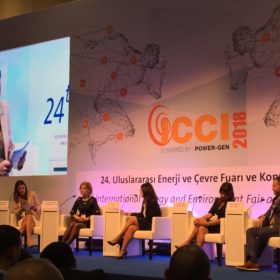
Turkey’s rooftop PV seeks a market
The most subscribed event at the recent International Energy and Environment Conference (ICCI), held in Turkey, concerned the host nation’s rooftop PV market – and certain common themes emerged from sessions held on the topic
