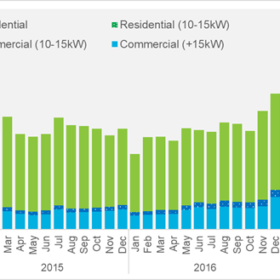
100 MW months emerge as the new normal for small-scale PV installs Down Under
Green Energy Markets’ small-scale solar figures for April reveal that above 100 MW is emerging as the new normal for monthly installations in the segment in 2018. While the month was below the record-setting 127 MW in March, April’s 109 MW indicates that installations north of 100 MW is new normal for the Australian residential and small commercial sector.

Tunisia reveals winners of 70 MW solar tender
Through the tender, the Tunisian government has awarded contracts for six 10 MW and four 1 MW projects. All have received preliminary approval from the Minister of Energy, Mines and Renewable Energies, Khaled Kaddour at the beginning of May.

Puerto Rico reviews utility-scale PV projects totaling over 280 MW
Puerto Rico’s Financial Oversight and Management Board (JSF) is examining a series of infrastructure projects that, if approved, would be fast-tracked for development and construction. Some of the PV arrays included in the infrastructure round already have PPAs signed with local utility PREPA. Two include co-located storage.

United States: California wants solar PV on all new homes
The California Energy Commission is expected to approve the 2019 Building Energy Code that calls for solar PV on all new homes. The goal is net zero residential energy usage.
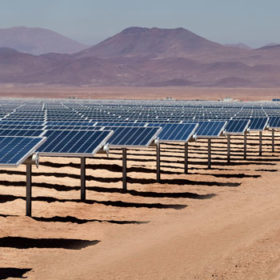
Etrion halves net loss in Q1
The Swiss-based power producer reported its Q1 2018 financial results. After the company ditched its Chilean project portfolio, some numbers look grim, but performance in the Japanese market appears more promising.

Hungary unexpectedly terminates FIT for PV projects ranging from 50 to 500 kW
The Hungarian government has amended its recently issued support scheme METAR, in order to introduce a tight deadline for residential and commercial PV, which will, in reality, mean the end of most of projects in this segment. The METAR scheme had been approved by the European Commission last summer.
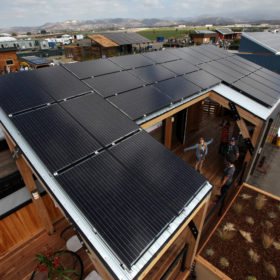
Blockchain could significantly shape management of renewables, but challenges remain – report
The evolving outlook for project finance, as well as the gradual maturation of technologies, such as blockchain, present new challenges and opportunities for renewables, EY says in its latest Renewable Energy Country Attractiveness Index (RECAI) report. Uncertainty in the sector continues to drive a “relentless focus on cost” to soften the impact of protectionism, subsidy cuts and rising interest rates throughout the world, it adds.

The Weekend Read: Three questions facing Indian solar
PV in India: The seemingly serene solar journey that India was on has hit stormy waters in recent months as issues regarding tariff duties, domestic content and financial backing have served to shake confidence in the industry. But there still exists fantastic potential across the nation for PV to really embed itself as India’s favored power source, provided it can address these three key questions.

Nepal launches tender for large-scale solar
The Nepal Electricity Authority is seeking bids for projects ranging from 1 MW to 5 MW across 25 sites.

Ukraine has now 63 MW of solar under net metering
The net metering scheme, which is open to rooftop solar PV projects not exceeding 30 kW in size, was introduced by the Ukrainian government in 2015.
