Solargiga unit to increase stake in PV module maker for $1.6m
Jinzhou Yangguang Energy (Jinzhou Yangguang), a subsidiary of China’s Solargiga Energy Holdings, has agreed to buy a 17.8% stake in Jinzhou Yangguang Motech Renewable Energy (Jinzhou Motech) from Motech Suzhou Renewable Energy for CNY 9.96 million (US$1.58 million), in a cash transaction.

Brazil allocates 806 MW of solar in A-4 auction, final average price drops to $35.2/MWh
Around 20 GW of solar PV projects were initially competing in the contest. PV was again the source with the largest share, accounting for around 80% of total assigned capacity. The final average price for solar was 118 BRL (US$35.2)/MWh.
Austria plans to launch 100,000 solar roof program
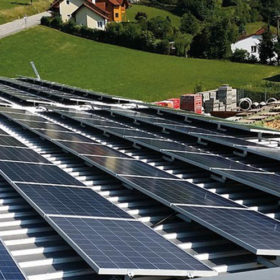
The Austrian solar sector has welcomed the new draft plan for an integrated climate and energy strategy and, in particular, the planned “100,000 roofs program”. Greenpeace, however, believes a reorientation of climate policy is urgently needed and that the presented measures are inadequate to reach the Paris climate targets.

Batteries, inverters, solar cells safe from US Section 301 tariffs
The list of Chinese products that the Trump Administration is considering for duties under Section 301 spares inverters, solar cells and modules, and the lithium-ion batteries used in EVs and battery storage to accompany PV.
Shell envisions central role for solar in new report
Shell’s new report shows a world where solar meets the largest portion of primary energy demand as soon as 2050.
Spain: Government expects solar to dominate by 2030 with up to 77 GW
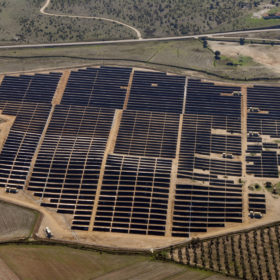
In a new report, the Spanish Ministry of Industry, Tourism and Digital Agenda has predicted that solar will become the country’s largest electricity source by the end of the next decade. Cumulative installed PV power could even reach 77 GW by the end of 2030, according to the most bullish scenario drafted by the Spanish government.

Solar Show Africa: Financing remains key bottleneck
Financing is the main bottleneck in the African solar industry, while private sector support is key for the deployment of PV projects. High quality products and solutions are also a focus. This is what came out of the recent Solar Show Africa event, held last week in Johannesburg.
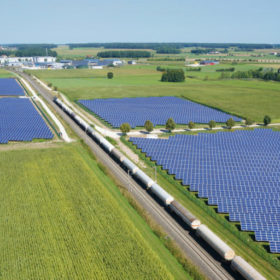
Germany adds another 200 MW of solar in February
After an encouraging start to the year, solar PV demand in Germany remained at January’s level. Almost half of the new additions came from ground-mounted power plants.
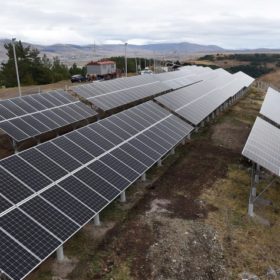
Fotowatio wins Armenia’s 50 MW solar tender
The solar facility will sell power to the local grid at around US$0.04/kWh. The project is part of Armenia’s six-year $58 million solar program.
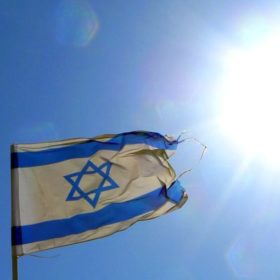
Israel issues 1.6 GW scheme for rooftop solar
The scheme, set to be implemented over the next three years, includes net metering, FITs for small-scale solar, and a series of tenders.
