Global electricity demand to rise in 2026 as renewables lead, says IEA
Global electricity demand is set to rise more than 3% per year through 2026, driven by growth in Asia and greater use across industry, data centers, and transport, with renewables, gas, and nuclear meeting most of the increase, says the International Energy Agency (IEA).
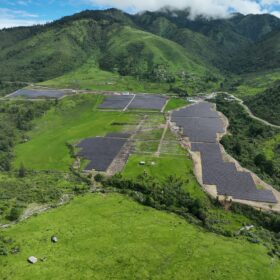
Bhutan commissions first utility-scale solar plant
The Sephu solar project currently has a capacity of 17.38 MW following completion of phase one of project works. Another 5 MW is expected to come online later this year.
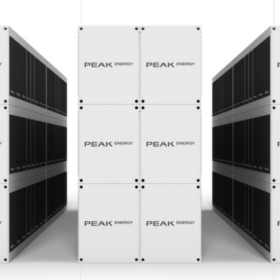
Peak Energy launches first US grid-scale sodium-ion storage system
Peak Energy’s passively cooled sodium-ion system, part of a shared pilot with utilities and independent power producers (IPPs), targets a 20% lifetime cost drop and a 33% cut in degradation over 20 years.

Big Solar Co-op raises over GBP 1 million for UK coal mine project
Solar bond offered through impact investing platform provides community energy cooperative with funds to construct 3.5 MW project in Whiteborough, England. Big Solar Co-op plans to use European manufactured and second-life panels. The co-op expects to commission the project before the end of 2025.
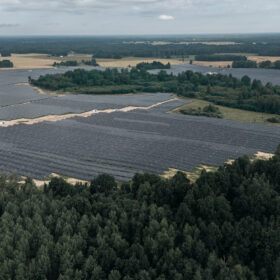
Latvia switches on 94 MW of solar
Ignitis Renewables has started commercial operations at the 94 MW Vārme solar farm in western Latvia. The project is one of the country’s largest PV installations to date.

US states push reliability standards and utility incentives for EVs
NC Clean Energy Technology Center (NCCETC) identifies the latest electric vehicle policy trends in its “50 States of Electric Vehicles” quarterly report.

Norway deploys 49 MW of solar in H1
Norway’s solar deployment rate slowed in the first half of 2025 compared to the previous two years, as the government introduced new regulations targeting medium-sized commercial systems.
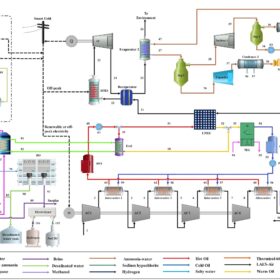
PV-powered liquid air system yields hydrogen, heating, fresh water
A global scientific team has designed a novel multigeneration system based on renewable energy and liquid air energy storage, then used soft computing techniques to optimize its operation. The optimized levelized costs of hydrogen (LCoH) were $1.52/kg and $5.22/m³.
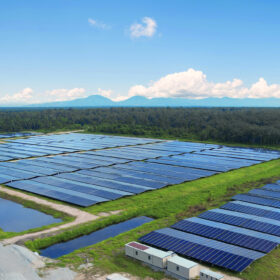
Solar primed for expansion in Malaysia
State support is nothing new for solar in Malaysia, but following years of steady growth, things are ramping up. Following a big tender announcement and a slew of new support mechanisms, industry leaders and market analysts tell pv magazine how blending private sector investment with government backing can bring Malaysian PV to the next level.

System-level failures – the next frontier for safer battery storage
A recent Clean Energy Associates (CEA) webinar walked through why quality assurance must include integration, supplier oversight and on-site training to reduce system-level risks.
