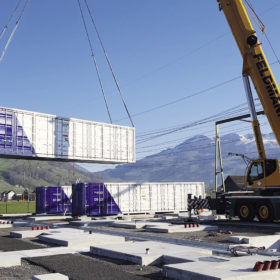
The weekend read: Europe ramps up policy support for storage
Policy support for battery energy storage is gaining momentum across Europe as national governments remove regulatory barriers and the EU pledges financial support for this emerging technology. In several countries, revised capacity markets now allow energy storage operators to compete for subsidy contracts on a more equal footing with power generators. Support from the European Battery Alliance and €1 billion in loans from the European Investment Bank in 2020 alone should help shore up investor confidence. Battery storage will be a key component to support the growth of solar PV – but the rollout of projects will have to accelerate faster to fulfill this potential.

The PV world ten years ago – summer series part II
pv magazine editor Pilar Sánchez Molina recalls news from the PV sector of ten years ago as part of a new series. The insights offered will not only bring back memories for the pioneers of that exciting, challenging period but may also offer an idea of where we could be in 2030.
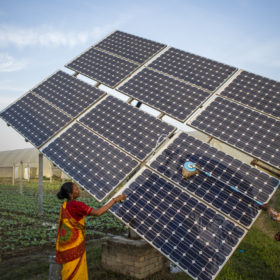
Bangladesh net metering requirement may deter solar pump owners
The government has finally issued guidelines on how solar-powered irrigation system owners can be paid for exporting power back to the grid. However, for those who expect to have to use grid power to augment solar from time to time, there could be a sting in the tail.
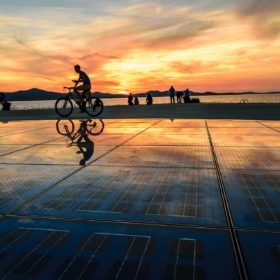
Croatia tenders 50 MW of solar
The Croatian energy regulator is seeking to allocate 88 MW of renewable energy generation capacity. The tender is part of the country’s plan to procure 2.26 GW of renewables including more than 1 GW of solar.
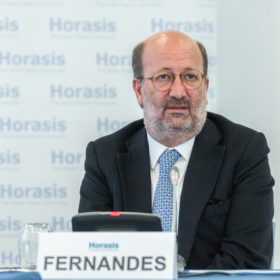
Portugal’s 700 MW solar auction ten times oversubscribed
Minister of the environment and climate action, João Pedro Matos Fernandes, announced the development and revealed nine of the ten lots tendered include energy storage.

All details of Ukraine’s new feed-in tariffs for PV
On July 21, 2020, the Law on Feed-in Tariff Restructuring was passed by the Verkhovna Rada of Ukraine.

Germany launches first auction of coal-exit compensation payments
Federal network agency the Bundesnetzagentur has announced it will retire 4 GW of coal-fired generation capacity through the exercise, which will see plant operators compete to secure one-off payments in return for shuttering, or converting operations.
Mexican utility confirms first invesment in solar
The Comisión Federal de Electricidad will invest around $342 million into two PV plants with a total generation capacity of 350 MW at its geothermal facility in Baja California. President Obrador, meanwhile, has described the previous regime’s Energy Reform program as a ‘pillage policy.’

The PV world ten years ago – summer series part I
pv magazine editor Pilar Sánchez Molina recollects everyday news from the PV sector of ten years ago as part of a new series. The insights offered will not only bring back memories for the pioneers of that exciting, challenging period but may also offer an idea of where we could be in 2030.

Ireland may allocate 796 MW of solar in first renewables auction
The government has announced the provisional results of the nation’s first renewable energy procurement exercise and says the 1 TWh auction will end up allocating more than 2.2 TWh of generation capacity for an average final electric price of €0.07408/kWh.
