More EU cash for green hydrogen
The sustainable gas is among ten areas of research and innovation which would benefit from backing by the bloc, member states and industry, if a new European Commission proposal is adopted.
Austrian solar industry wants Covid-recovery funds spent on renewables-friendly grid
The national PV body in the country wants €1 billion from the EU’s recovery and resilience fund to be allocated to upgrading the electricity network to host more solar power generation capacity.
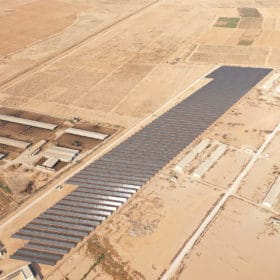
Renewables compete with coal and shale oil as Jordan pursues energy independence
The kingdom has had a ban on new large scale clean energy projects since January 2019 as Covid-19 exacerbated a situation in which generation capacity already outstripped supply. Lifting that embargo, and re-starting renewables auctions would be a step in the right direction, according to IRENA.
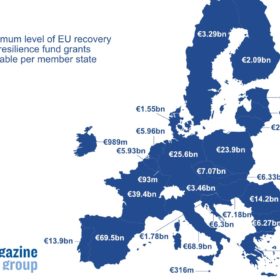
EU reveals how much each member state can expect from Covid-recovery pot
The European Parliament and Council of Ministers continued to tidy up the details of the bloc’s Covid-recovery package today by publishing the rules of how the money will be disbursed.
European Commission: Natural gas can be part of green transition
The EU today confirmed natural gas-fired power and heat generation facilities can qualify for Covid-recovery spending as long as they fulfil a maximum emission target or are accompanied by credible member-state plans to ramp up renewables usage.

Finance for 49 mini-grids in Sierra Leone and Uganda
Winch Energy has announced the project, which it hopes will be a significant bridgehead towards building $100 million worth of off-grid systems within two years, alongside Franco-Japanese partner Neot Offgrid Africa.
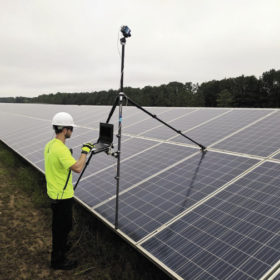
Bangladesh moves to enforce solar equipment standards
The government will add modules and inverters to the list of imported products which must meet minimum standards. Charge controllers and batteries are already subject to such requirements.

UK makes Europe’s latest battery gigafab announcement
Coventry City Council, in the English West Midlands, wants to attract a £2 billion gigafab and is already in talks with nearby motor manufacturers, and with global battery suppliers, according to regional politician Andy Street.
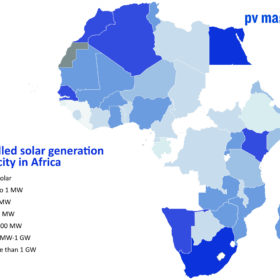
Renewables targets falling by the wayside, according to African solar survey
An overview of the state of solar across the continent by trade body the Africa Solar Industry Association has highlighted a patchy policy landscape where clean power ambitions are often not followed through.
EU allocates more cash to help small businesses join green transformation
The European Union agency responsible for providing finance to small and medium-sized businesses will have 64% more funds to disperse after the EIB, European Commission and its other shareholders voted to raise its share capitalization.
