
Bangladeshi solar installers call for waiver of state loans
Installers which took advantage of cheaply-priced government finance say customers affected by the Covid-19 crisis cannot afford to pay for the solar home systems they have rolled out while expanding renewables programs.
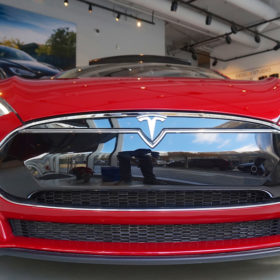
Battery electric vehicle sales in UK were outpacing hybrids – before Covid-19 struck
Pure EVs had begun to claim a rising market share before coronavirus containment measures decimated sales last month. Even in the face of an 88% monthly fall in EV sales from March to April, however, clean energy models fared better than petrol and diesel sales.

Turkey plans 1 GW solar tender before October
Minister of energy Fatih Dönmez announced the procurement exercise, which is part of a plan to relaunch the nation’s economy during the Covid-19 crisis.

Covid-19 weekly briefing: US residents ponder solar during lockdown, Aussie installers wonder what might have been and the Indian EV industry calls for help
Plus, Italian developers continue to dig deep for their health service, the pandemic piles on problems for a debt-saddled Chinese company and analysts consider whether there will be any money left for a green economic recovery after the dust settles.
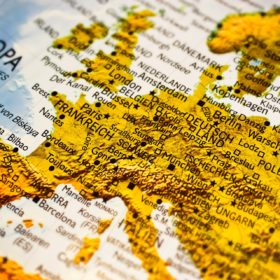
REC Group mulls French module gigafactory
The Norwegian solar manufacturer is considering a 2 GW heterojunction solar module factory in Sarreguemines, in the northeast of the country.
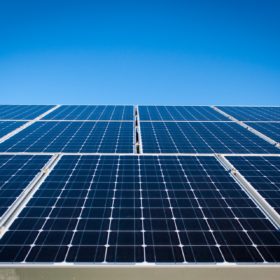
India’s 1 GW-plus ‘ultra-mega’ solar parks driving the energy transition
The nation hosts numerous gigawatt scale sites, two of which are the largest commissioned in the world. The huge PV parks have been instrumental in driving economies of scale and continue to attract global capital and some of the most recognized renewables developers.
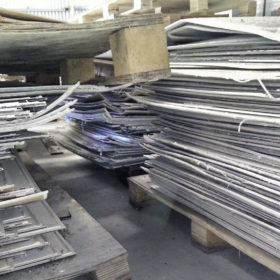
PV module recyclers aiming for high-purity material recovery
France’s National Institute for Solar Energy takes a look at the state of play in the European solar panel recycling industry.
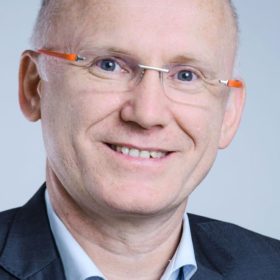
A gigawatt solar factory in Europe? Why it must be in France
With Swiss solar equipment company Meyer Burger laying plans for a module fab in North Rhine-Westphalia and Norwegian panel maker REC Group mulling a fab in Sarreguemines, northeastern France, Xavier Daval – from French renewables association the SER – says it is time Europe resumes its path to a stable solar manufacturing industry, not least because of the rising proportion of solar module costs accounted for by shipping.
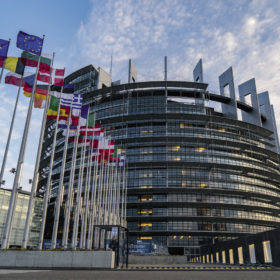
How to protect clean energy auctions during Covid-19 crisis
The EU research group tasked with optimizing renewable energy auction procurement processes said the achievement of climate change goals brought about by plunging energy demand should not endanger longer-term ambitions.
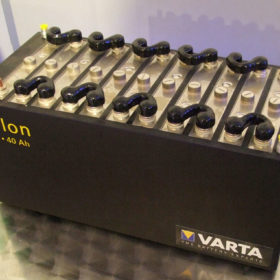
Lithium-ion storage is here to stay
A German-Israeli research group has gathered for three days to discuss which storage technologies may outperform lithium-ion batteries in the future. They concluded that there is no such a thing as a “post Li‐ion” era in sight. They recommended a “side‐by‐side” approach for multiple technologies in different applications, as well as the hybridization of technologies. The group highlighted the strong potential of redox flow storage, which in their view may outperform Li‐ion, although only for stationary applications.
