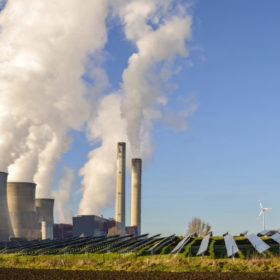
The largest private coal company in the United States just went bankrupt
Despite promises by President Trump to save the coal industry, the crisis in the sector is clear. Solar, wind and batteries have the world to gain.
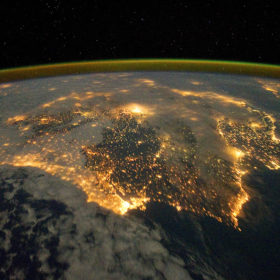
Spain and Brazil the world’s ‘solar investment hotspots’ but eyes on Vietnam
Analysts at Fitch Solutions have published a report singling out Spain and Brazil as ‘outperformers’ in the global solar market and labelled Vietnam the “market to watch”. The analysts expect surging growth from the Southeast Asian nation to continue in the coming decade.

Kenya’s Kisumu County launches tender for solar mini-grids
The local authority is seeking proposals to build mini-grids with generation capacities of more than 5 kW to power hospitals, markets, water pumping and street lighting. The council has expressed a strong preference for the build, operate and transfer project development model.
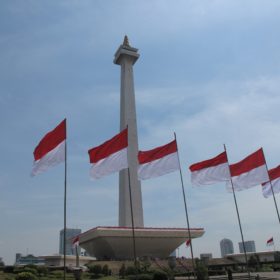
Indonesia improves rules for rooftop PV
The government has amended two regulations and introduced a new one to spur development of rooftop PV. The new provisions increase the size of systems eligible for net metering payments and reduce fees for industrial installations.
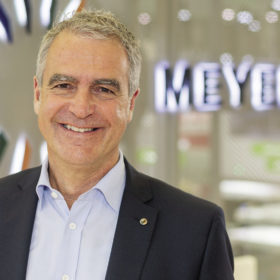
Meyer Burger resists rebel shareholder at EGM
The Swiss solar equipment supplier today fought off an attempt by its largest single shareholder to have a representative appointed to its board and to have its executive pay regime reviewed. Victory in that battle may secure the company some wiggle room, but the war over corporate strategy appears far from over.
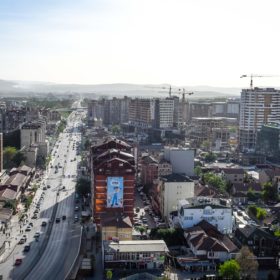
Kosovo preps 50 MW solar tender
The Balkan nation is planning a tender for 50 MW of utility scale solar capacity on a public-private partnership basis with help from the International Finance Corporation. The World Bank’s private finance arm is procuring a technical, environmental and social consulting firm to advise on the project.

PV to address water scarcity
The government of the Philippines will spend $500 million on solar-powered water supply and desalination in remote areas of Mindanao, the second-largest island in the archipelago. Elsewhere, a Finnish study has suggested drought-hit Iran could benefit from renewable-powered desalination.

China installed 920 MW of household solar last month
Hopes are high up to 5 GW of residential solar capacity will have been added by the time this month’s figures are added, as the household solar feed-in tariff still applies – but only until Thursday. However, the AECEA consultancy has again revised down its overall new capacity expectation for the year.

Eswatini 40 MW solar tender attracts 13 approved bidders
The regulator received 26 proposals overall for a project intended to make the kingdom less dependent on power imports from troubled South African utility Eskom.
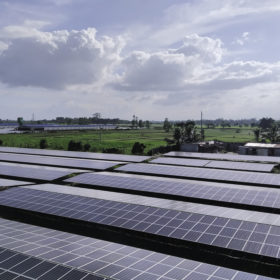
Bangladesh extends incentive scheme for domestic solar industry
PV manufacturers receive 10% of the value of their exported products as an incentive and the nation’s central bank has extended the program to cover this financial year. Bangladesh’s solar manufacturers have called for more, however, and point to more generous schemes to the west.
