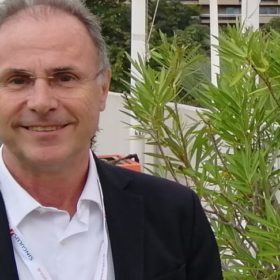
Solar pioneer Pierre Verlinden: The big problem is apathy
On the first day of this year’s EU PVSEC conference, veteran solar researcher Pierre J Verlinden won the Becquerel Prize for Outstanding Merits in Photovoltaics. The award recognized more than 40 years as a leading PV researcher in academia and at leading companies including Sunpower and Trina Solar. Its recipient spoke to pv magazine about what is needed from solar to stave off catastrophic climate change.

Lithuanian energy ministry issues timeline for renewables auctions
The Baltic nation is heavily dependent on energy imports. A plan for energy independence by 2050 foresees the large scale deployment of renewable energy resources.
Zimbabwe launches 235 MW solar tender
The Infrastructure Development Bank of Zimbabwe has issued a request for proposal to seek partners for the development and construction of seven solar parks, with a combined generation capacity of 235 MW, plus two mini-hydro power projects.
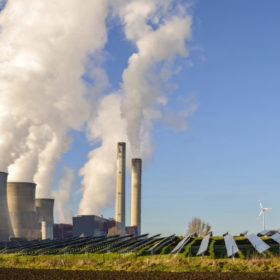
State-owned Panda Green set to open new credit lines
The debt-saddled developer has announced it is now almost 63% owned by Chinese state entities and is seeking to refinance its debt pile with new long-term arrangements, take on fresh debt and issue more shares.

Cambodia tender secures lowest solar power price in Southeast Asia
The Asian Development Bank-backed procurement round attracted 26 bidders for the 60 MW project, according to the development lender. The ADB says the low price secured will persuade neighboring governments to embrace auctions.

High power prices, falling PV costs and new regulations behind Brazil’s solar carnival
The nation’s thriving distributed generation market is flying, as was evident at last week’s Intersolar South America trade show. The sector seems unconcerned by mooted changes to net metering incentives in the new year and when even an environmental non-believer like President Bolsonaro is on side, it is difficult to be pessimistic.

Big money for Turkey’s 500 MW solar factory
With the Turkish government having given Kalyon Enerji another three years to build the 500 MW facility it won a tender to construct with former partner Hanwha Q Cells, Ankara has now committed a $333 million “super incentive” to the fab.

China’s aluminum smelters alone could shift 2.3% of daily electricity demand
German energy agency Dena has found China’s smelter fleet could shift 432.5 GWh of daily demand to more amenable hours to tally with renewables generation. To make it happen though, the regulator needs to lay down rules for providing incentives.
Namibia and Botswana mull 20-year, 4.5 GW solar push
The governments of the two African nations are considering deploying huge volumes of generation capacity over two decades. The project, still in its initial phase, is being supported by the World Economic Forum’s Global Future Council on Energy.
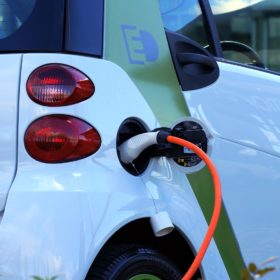
Dutch government treats 21 municipalities to smart EV chargers
Vehicle-to-grid functions could soon become increasingly important. While policymakers discuss the necessary regulations in other nations, the Netherlands government is motoring ahead with the technology.
