
Bangladesh considers funding for solar home system expansion
The body responsible for the installation of more than 4 million residential PV installations has asked its government masters to provide interest-free financing for its program and Dhaka is considering the proposal.
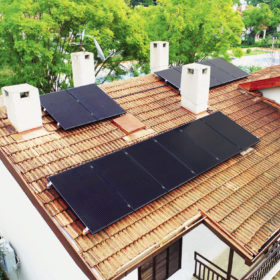
Turkey introduces net metering for residential PV and new rules for unlicensed solar
The government has finally issued a net metering scheme for solar systems not exceeding 10 kW of generation capacity – the country’s first attempt to support small scale PV. New rules for larger, unlicensed projects have also been introduced, with the size limit for eligible systems raised to 5 MW.
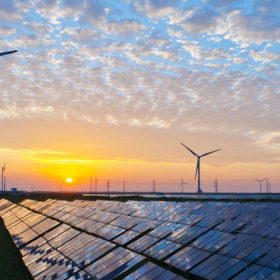
SEIA’s solar+ plan falls short on ambition
The Solar Energy Industries Association’s “ambitious goal” of solar supplying 20% of U.S. electricity in 2030 looks more like a forecast, and vision for rapid decarbonization is coming from the climate movement and the American Left, not SEIA.
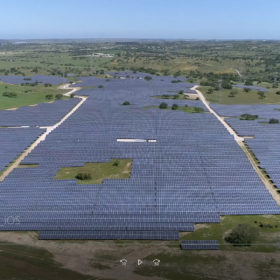
Legislative amendments pave way for Portugal’s 1.35 GW solar auction
The Portuguese government has approved legislative amendments that it says will facilitate its plans to auction off 1.35 GW of solar capacity this summer. The Portuguese energy minister, meanwhile, said that the government hopes to see €6 billion of investment in solar by 2030.
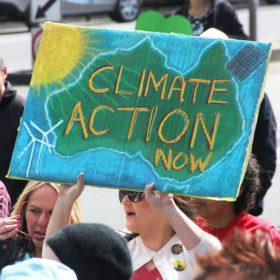
Australia’s climate election: Where do parties stand on renewables?
As Australia’s federal election campaign slowly grinds to a halt, one thing is indisputable: Climate change has emerged as the make or break issue in this year’s election. The main parties have come up with a wide range of policies, but some of them are more supportive of the green energy sector than others.
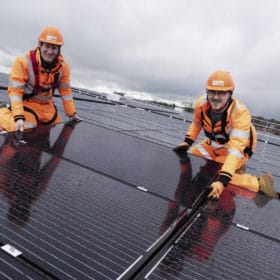
UK Labour Party vows to roll out solar on 1.75m homes
The UK Labour Party has revealed plans to facilitate the installation of solar panels on 1.75 million homes, with a particular focus on low-income households.
SECI extends deadline for 3 GW India tender
State-owned Solar Energy Corp. of India (SECI) has once again extended the bid submission deadline for its latest 3 GW, manufacturing-linked solar tender, following a tepid response.

Are Greece’s solar tenders ill-designed?
Greece has run solar tenders on three different occasions in the past year, awarding a total of 546 MW of new PV capacity. In all three instances, Greek consumers were manipulated and the country’s institutions did little to protect them.
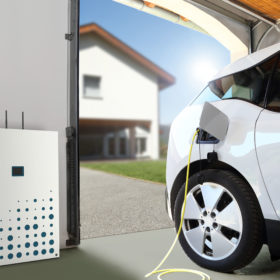
EVs may account for more than half of global car sales by 2040: BNEF
Electric vehicles could account for more than half of all passenger cars and buses sold throughout the world within the next two decades, according to a new report by BloombergNEF. Sliding lithium-ion battery costs will make EVs cheaper than vehicles based on internal combustion engines by the mid- to late-2020s, the research firm says.
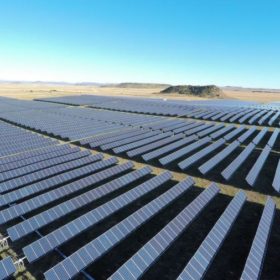
African nations could install 30 GW by 2030: BSW-Solar
A new report analyzing 10 solar markets throughout Africa claims that the continent’s PV market could expand from about 5 GW at present to up to 30 GW by the end of the next decade.
