
Alternative charging options drive down battery costs for ebuses
All-electric buses will cost the same as diesel options by 2030 – and possibly earlier – according to research into the global EV market.
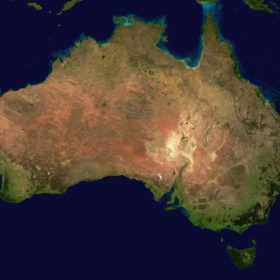
High energy prices set to drive 2 GW of rooftop PV in Australia this year
First-quarter data from Green Energy Markets shows double the uptake of small-scale rooftop solar on the same period last year as record numbers of residential and business consumers seek to reduce electricity bills. A tendency for installations to increase toward the year end suggests more than 2 GW of solar will hit the rooftops this year. But could this become a cautionary tale?

More details emerge of China’s $447m solar subsidy for 2019
The NEA has offered a broad hint that RMB3 billion will be made available in incentives this year – including RMB750 million for residential PV. Roth Capital Partners says achieving 40 GW of new capacity will hinge on timely action by the National Energy Administration.
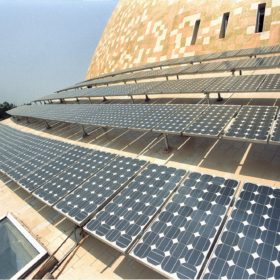
India’s solar sector will outperform globally despite near-term challenges, says Fitch Solutions
With Narendra Modi being tipped to triumph again in the current Indian elections, Indian solar capacity is expected to grow robustly, at 15.3% per year, on the back of continued strong government support.

India is lagging behind the EU on PV waste management
The opening of India’s marathon six-week election yesterday will bring policymaking to a halt but a prominent consultancy says the nation is trailing behind peers when it comes to guidelines for materials and recycling, and the lack of a viable business case for reusing materials doesn’t help matters.

Getting (almost) all our energy from the sun by 2050
Solar could meet approximately 68% of global energy demand with other renewables making up the rest, according to a new report. A 100% renewable energy system could also create 22 million solar jobs by 2050, the study claims. Keeping global warming below 1.5 degrees C, though, would require FITs for projects up to 40 MW in capacity, auctions for bigger systems, removing fossil fuel and nuclear subsidies and providing more education and R&D and less red tape.

Venezuela plans its first utility scale PV projects
Although details are vague, the Vice Ministry of Alternative Energies is reportedly developing the country’s first medium sized projects to be connected to the national grid. It is also planning to implement distributed generation projects ranging in size from 1.5 MW to 3 MW in the crisis-torn nation.
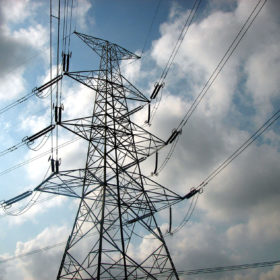
China offers insight into transition to subsidy-free solar
The emphasis on grid-parity PV has been highlighted in a consultation document that has emerged after several weeks of haggling in Beijing. Chinese analyst AECEA says the success of any subsidy-free effort would hinge on the ability of power companies to transmit and guarantee consumption of power generated by new projects.

Hanergy plans to roll out industrial park development outside China
The Chinese thin film giant has transformed itself into a solar manufacturing equipment supplier and is set to expand a strategy which sees affiliates help fund industrial parks which then generate orders for its thin film production lines.
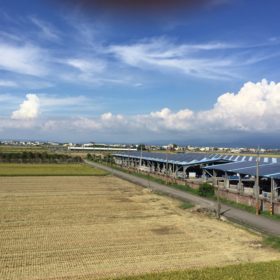
Taiwan becomes a GW solar market
TrendForce says the country deployed more than 1 GW of new PV for the first time last year, and predicts this year may see as much as 1.5 GW of new solar capacity. The nation’s cumulative capacity reached 2,618 MW at the end of last year, according to the International Renewable Energy Agency.
