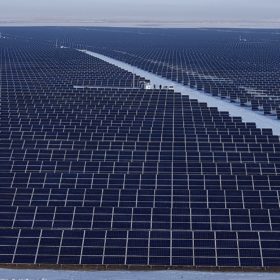
100 MW Saran solar park commissioned in Kazakhstan
The SES Saran solar project is in the Karaganda region. The project was financed by the European Bank for Reconstruction and Development and built by German developer Goldbeck.
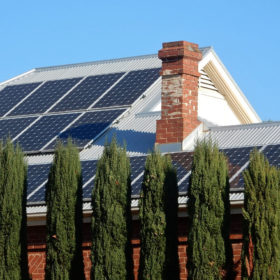
Australia to lead world in residential battery uptake in 2019
More than 70,000 Australian households will install battery storage this year, according to the Bloomberg New Energy Finance. With the nation’s storage demand set to triple, Australia is expected to make up 30% of global demand.

Cayman Islands project shows solar potential of hurricane-hit island nations
Richard Branson says the efforts made by one of his companies to roll out PV in the Caymans are part of a wider drive to bring renewable energy to the Caribbean.
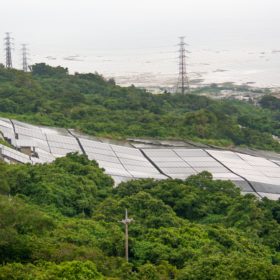
Another disappointing solar auction for Japan as prices stay high
In last month’s exercise, final prices were slightly lower than those seen in previous procurements and the total allocated capacity was 196.6 MW. Through the three tenders held by the Japanese government, around 500 MW of solar was assigned, against a target of 1-1.5 GW. Land availability, grid constraints and high labor costs make projects expensive and force developers to use mountainous regions.

Chile tender to assign up to 9,000 hectares of public land for renewables
Some 8,891 hectares could be allocated through the tender, in the form of 179 plots of land in the northern and southernmost regions of the country.
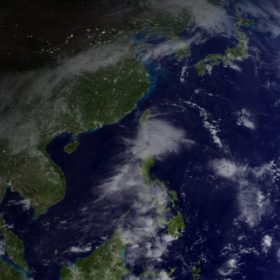
PV Market Alliance expects 120 GW of new solar capacity in 2019
The global market stagnated last year, with around 98 GW deployed. For 2019, the experts expect stronger solar growth, provided there are no setbacks in China.
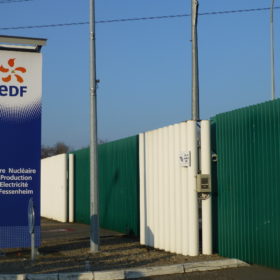
Solar tender for French nuclear site is published
Only four days after receiving approval from the European Commission, the French government has issued the tender for 200 MW of ground-mounted solar and a further 100 MW of rooftops at Fessenheim. The government is considering raising a 30 MW size limit for PV projects on degraded land.
Electric car sales in India declined by 40% in 2018
EV sales retreated to a mere 1,200 units in the 2018 financial year, but electric two-wheeler sales rose 138%, to 54,800 units, according to research and consultancy group Wood Mackenzie.
EBRD turns to carbon pricing for future project assessments
The European development bank will amend its methodology to determine the financial viability of energy projects. Putting a price on the environmental and societal effects of air pollution, the EBRD is likely to funnel more funds into renewables.
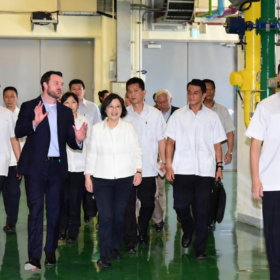
Google signs first solar PPA in Asia
Global technology giant Google this week announced that it has signed an agreement to purchase the output from a 10 MW PV installation in Tainan City, Taiwan, to power its Changhua County data center on the island’s west coast. The agreement represents Google’s first move to procure renewable energy anywhere in Asia, and the first agreement made since a recent change to Taiwan’s Electricity Act allowed non-utility companies to buy renewable energy directly.
