
$126 million earmarked for small-scale RE in Africa
During COP24, U.K. Energy Minister Claire Perry announced that her government will increase its efforts to help bring clean energy to Sub-Saharan Africa. A total of $126 million will be channeled via the REPP platform, which has already realized 18 projects with a considerable number of beneficiaries.

Industry urges policymakers to catch up with technology at COP24
The Global Solar Council has released a 15 point plan, which is largely policy focussed, alleging that the industry has down its homework to slash the costs of solar. Now its policies turn to even the playing field. In a similar effort, the World Future Council has announced that it will launch a new platform for policymakers and the industry to enable an ongoing dialogue.

Switching to solar could save aid missions half a billion per year
A new report published by Chatham House for the Moving Energy Initiative examines energy spending of humanitarian aid organizations. The authors claim that with modern clean energy systems the sector could save US$517 million per year on fuel costs, as hitherto the majority of refugee camps and other facilities are run on diesel gensets.
Over 400 investors call on world’s leaders to address climate change
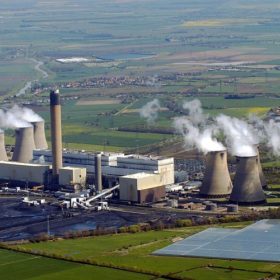
A total of 414 investors managing US$32 trillion in assets have called on the world’s policy makers to take action against climate change. It has been called the “single largest policy intervention” of its kind.

Regional EU leaders demand clarity for energy communities
Consumer- and municipally-owned energy systems are lauded as key elements of the energy transition. However, their market design in many regions is still prohibitively complex. The European Committee of the Regions has presented a policy recommendation to address these issues, and enable a just and democratic energy transition.

Positive signals from China boost 2019 forecasts
On November 2, China’s National Energy Administration held a symposium to evaluate the results of the 13th Five-Year Plan for solar PV development at its halfway point, discussing the adjustment of PV and thermal generation targets in the plan. As a result of this, there is renewed positivity regarding China’s domestic solar demand in 2019-2020.
The weekend read: China’s 31/5 malaise
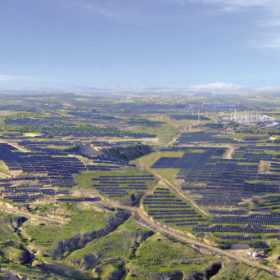
While recent signs from the Chinese administration, including the National Energy Administration, are that the PV sector in the country will return to robust health, the contagion of the 31/5 policies is still being felt throughout the supply chain. Vincent Shaw in Shanghai investigates the symptoms and causes of Chinese solar’s ill health.
Kenya’s 2022 universal electrification goal bets on off-grid solar
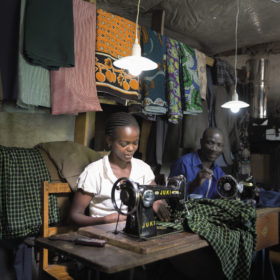
The World Bank and the Kenyan Government have announced a new strategy for attaining universal energy access for Kenyans by 2022. The plan underlines the importance of off-grid solar installations in reaching that goal. The investment opportunities for the coming five years are around US$14 billion.

Taiwan proposes FIT cuts, recycling fee
Taiwan’s Ministry of Economic Affairs is considering scrapping a 6% markup on tariffs paid to high-efficiency modules used in its Green Energy Roof scheme. The markup is said to benefit the local module manufacturing industry, which is currently struggling.
US utility Xcel Energy gets in front of the 100% renewable energy movement
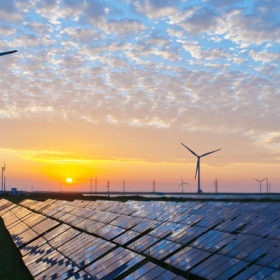
By setting a timeline for the inevitable decarbonization of its fleet, Xcel is moving to have an energy transition on its terms.
