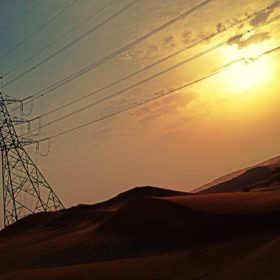
Saudi Arabia to tender 2.22 GW of solar in 2019 and wants 40 GW in 2030
The Renewable Energy Project Development Office of Saudi Arabia is planning to tender 11 PV power projects with a combined capacity of 2,225 MW this year. The country’s solar target for 2023 has been revised up from 5.9 GW to 20 GW, and that for 2030 set at 40 GW.

China unveils an ambitious new push on grid parity solar
Beijing has outlined a series of policies mandating local and provincial authorities, state-owned banks and grid operators to pull out the stops to drive the rapid escalation of subsidy-free PV projects. The announcement has seen Chinese solar stocks on the rise.
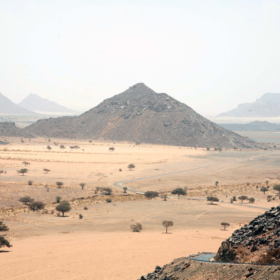
Algeria launches tender for 50 MW of hybrid solar
At the end of December, the Algerian government issued a tender for off-grid gas/diesel and solar projects in non-interconnected areas in the south of the country.

Distributed solar tops 500 MW in Brazil
According to figures from solar association ABSolar, most of the installed capacity – 371.9 MW – was installed in 2018. Commercial PV dominates with 43.2% as cheaper modules and higher electricity tariffs, combined with an extensive net metering regime, continue to fuel installation rates.

Solar money is all flowing downstream – in the West at least
Mercom Capital’s latest report on financial activity in the solar sector illustrates an increasing flow of capital towards downstream companies and PV projects – as well as a split between China and the rest of the world.
Canadian-UK funding for pilot smart grid solutions
A competition backed by public funding from the governments of the two nations is seeking proposals for projects that will help electricity grids transition to clean and flexible energy.
New products contribute to another record year for sustainable finance
BloombergNEF figures show financial vehicles linked to environmental and/or social benefits amounted to $247bn worldwide in 2018. The US led the way, almost entirely because state-backed mortgage provider Fannie Mae issued $19.8bn worth of green home loans.
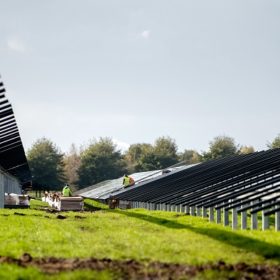
Netherlands a gigawatt solar market
The Dutch PV sector is expected to have grown by 1.3-1.5 GW in 2018. The growth, which marks the Netherlands’ entry into Europe’s gigawatt club, was mainly due to the connection of large-scale projects under the SDE+ program. The nation’s cumulative installed PV capacity should have surpassed 4 GW as the Dutch government prepares to reduce the SDE+ budget.

Solar the cheapest power source – so let’s use it to extract fossil fuels
In the wake of a COP24 climate change conference which emphasized the need to wind down fossil fuel exploitation rapidly, Kuwait is turning to PV as a sustainable solution – of ramping up its oil production.
Industry offers cautious welcome as UK government guarantees export payments after all
The Department of Business, Energy and Industrial Strategy has proposed a replacement for the flat rate FIT payment regime that is hard to argue with, as it is linked to the actual amount of electricity exported back into the grid.
