
India slashes tax rate for batteries and their raw materials
The 10% reduction in GST is an example to the UK government, which is seeking suggestions on how to drive solar take-up, but manufacturers are already calling for further reductions to fire battery storage in the nation.
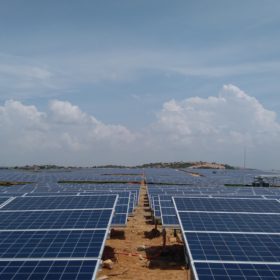
Solar is turbocharging Karnataka state to renewables leadership of India
The remarkable 4 GW of solar capacity added last year has seen Karnataka displace Tamil Nadu as the India’s renewables number one. And there is more to come, according to a new report, with PV set to account for a third of rising energy demand over the next decade.
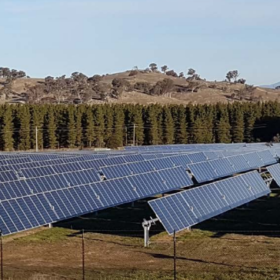
‘UK government knows the answers on solar, it’s just stalling’
Latest consultation exercise has been launched solely to buy time because Brexit is distracting officials from policymaking, according to a spokesman from the National Farmers’ Union.

Indian duties could jeopardize 27 GW of solar projects
Calling for a complete exemption of the 25% safeguard duty on solar equipment, India’s Solar Power Developers Association (SPDA) says, if imposed, it will jeopardize the viability of around 27,000 MW of solar projects involving an investment of more than Rs 1 lakh crore (around US$15 billion). Other key players also speak out against the tariff plans.
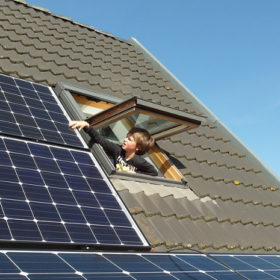
UK: Government considers ending solar export tariffs, ‘serious’ policy gaps must be addressed
The U.K. Government is proposing closing both generation and export tariffs for renewables on March 31, 2019. The country’s solar trade association calls for clarity on the policy framework going forward, for both industry and potential investors.

EU MIP decision to have more effect on Indian PV market than safeguard tariffs
The proposed safeguard tariffs on imports from China and Malaysia are expected to generate a number of painful short-term impacts. Overall they are not expected to change much in the market, however, says TrendForce. What will have a bigger effect is the EU’s final MIP decision, due in September.

India: 25% safeguard duty will threaten ongoing solar PV projects
The two-year period of the recommended safeguard duty is very short, discouraging any investment in setting up new solar manufacturing capacity, say analysts and companies pv magazine spoke to. At the same time, for solar project developers, the duty will impact tariffs to the tune of 12-15%, posing an immediate threat to viability of projects under execution, they add.
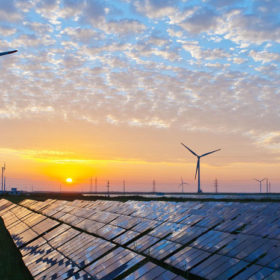
Global energy investment in 2017 moved away from energy security and sustainability goals, finds IEA
Following a strong year for clean energy spending, 2017 saw a 7% decline in renewable power investment – to around $298 billion – while the share of fossil fuels in energy supply funding rose for the first time since 2014, according to the International Energy Agency in a report published today.

Eight more London boroughs sign up to mayor’s solar vision
Labour politician Sadiq Khan has expanded his Solar Together group-buying scheme for rooftop installations in London after more than 1,000 households and small businesses signed up to discounts on residential systems under the initial phase.
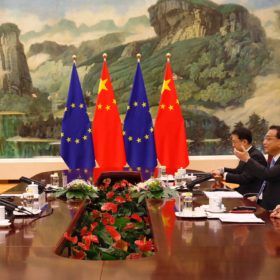
EU and China to co-operate on clean energy technology and emissions trading
High-ranking officials from China and the EU have signed a joint statement to foster technological and political co-operation in clean energy. The regions will also develop emissions trading systems further, with officials seeing such schemes as a policy tool to foster innovation for a low-carbon economy.
