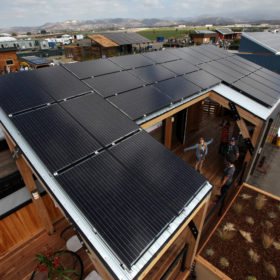
Blockchain could significantly shape management of renewables, but challenges remain – report
The evolving outlook for project finance, as well as the gradual maturation of technologies, such as blockchain, present new challenges and opportunities for renewables, EY says in its latest Renewable Energy Country Attractiveness Index (RECAI) report. Uncertainty in the sector continues to drive a “relentless focus on cost” to soften the impact of protectionism, subsidy cuts and rising interest rates throughout the world, it adds.
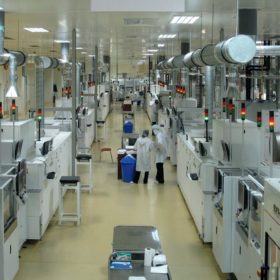
The Weekend Read: Three questions facing Indian solar
PV in India: The seemingly serene solar journey that India was on has hit stormy waters in recent months as issues regarding tariff duties, domestic content and financial backing have served to shake confidence in the industry. But there still exists fantastic potential across the nation for PV to really embed itself as India’s favored power source, provided it can address these three key questions.

Greece to tender 300 MW of PV in July
Greece’s tender-based policy scheme for the support of renewable energies is maturing. After running a pilot tender in 2016, the country will tender 300 MW of solar PV power and 300 MW of wind power projects on July 2.
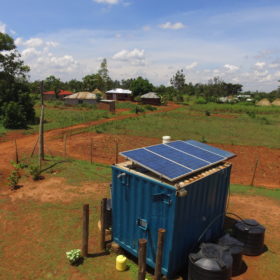
Renewables penetration unbalanced across sectors, off-grid solar boosts access to electricity – report
According to a tracking report from five international agencies, the world is lagging behind its sustainable development goals for the period 2015-2030, although significant progress has been made in reducing electrification deficit in the least developed countries, and industrial energy efficiency. Off-grid solar solutions, meanwhile, are emerging as one of the key drivers of rural energy access.
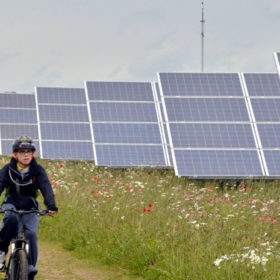
US community solar capacity more than doubles in 2017
387 MW of community solar projects were installed in the United States last year. This brings the cumulative total to 734 MW, with the majority in Minnesota and Massachusetts.

The Weekend Read: Greener horizons for China
There is no denying that 2017 proved to be the most remarkable year yet for China’s PV industry. From whichever way one looks at it – be it installation figures, exports, manufacturing capacity growth, or innovation – the 12 months that shaped China’s solar industry were equally impressive and somewhat surprising, with even the national government perhaps shocked by the progress made.

Stranded investments, the Energiewende and blockchain: An interview with the Rocky Mountain Institute
In an interview with pv magazine, Jules Kortenhorst, CEO of the U.S. based Rocky Mountain Institute speaks about the impact of stranded investments, the institute’s partnership with a blockchain start-up, and how the Energy Web Foundation can remain neutral.
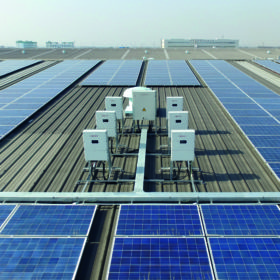
China to power new sustainable development zone with renewables
The Chinese authorities plan to use renewable energy technologies to provide all of the electricity that will be consumed in a new economic zone that is being developed near Beijing, according to local state media reports.

Indian government mandates stringent quality controls for solar equipment
In a much-awaited move, India’s Ministry of New and Renewable Energy (MNRE) has mandated that, effective April 16, 2018, all solar equipment manufacturers will have to register their equipment with the Bureau of Indian Standards (BIS).

Historic UN deal for shipping industry could lead to solar powered ships
A climate change strategy on the reduction of greenhouse gas emissions from ships, adopted last week by the United Nations (UN) International Maritime Organization (IMO), could boost the electrification of ships using solar PV technology.
