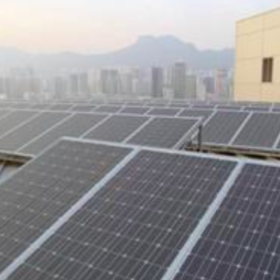
Hong Kong authorities propose generous new rooftop solar FIT
The Hong Kong government will start discussing plans from early next week to give owners of residential and commercial rooftop solar PV systems the chance to sell surplus electricity to the grid.
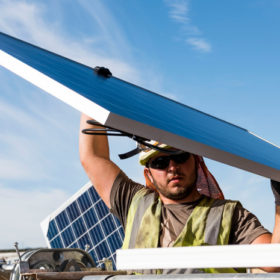
US: SEIA reports 18 companies reducing solar deployment, workforce in 2018
U.S. solar trade organization, Solar Energy Idustries Association (SEIA) has listed cancelled investments and hiring as well as job losses in its comments supporting requests for exclusion from Section 201 tariffs.
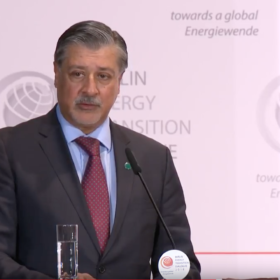
IRENA: Renewables can account for up to two-thirds of total energy use, and 85% of power generation by 2050
In the latest edition of its long-term renewable energy outlook, IRENA calls for at least six-fold deployment of renewables by 2050, compared to the levels set out in current plans. Investment in low-carbon technologies needs to grow by around 30% to US$120 trillion to enable the energy transition and avoid escalating stranded assets, the report finds.
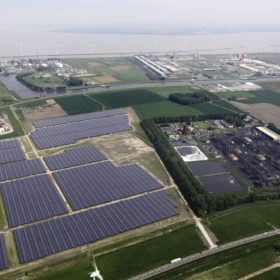
Dutch transmission system operators make room for more solar
Netherlands-based TenneT and Enexis are implementing a series of measures to prepare their networks for more solar power in the regions of Groningen and North Drenthe.
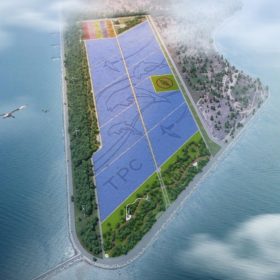
Taiwan to issue $82 million in new Green Bonds
Taipower, Taiwan’s state-owned electricity supplier, has announced a plan to issue TW$2.4 billion (US$82 million) in green bonds next month, and to use the proceeds raised to develop renewable energy projects, including solar.
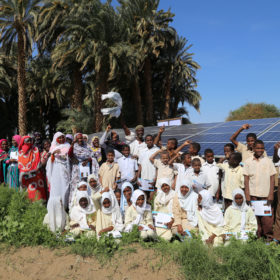
United Nations backs solar powered irrigation
A new report published by the United Nations Food and Agriculture Organization outlines the benefits of solar powered irrigation systems to both large and small scale farming operations in developing countries. The report also stresses the need for comprehensive management and regulation of such systems, to avoid unsustainable water use.

Latest 200 MW Jordan solar tender attracts 16 technical bids
Companies and consortia from China, Europe, and domestically have lodged technical and financial offers to build four 50 MW solar plants in Jordan’s Maan Development Zone, the government reveals.
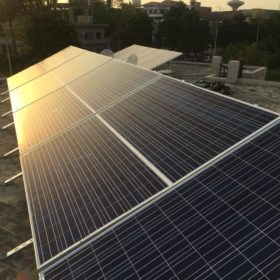
Pakistan should turn to renewables for energy security – IRENA
With its growing population and rapidly increasing energy needs, Pakistan’s energy security is undermined by the overriding share of imported fossil fuels in its energy mix. But, by turning to its untapped, tremendous solar, wind and biomass potential, the South Asian country could spur social and economic development, while improving energy access, says IRENA.
Large-scale PV: Three markets, three questions
The large-scale solar markets of China, the USA, and Europe have experienced vastly different fortunes over the past couple of years. As China has boomed and the U.S. held steady, Europe has seen growth rates plunge. But nothing is constant in PV, and each of these three vital markets faces a series of unique challenges and opportunities, as pv magazine discovered.
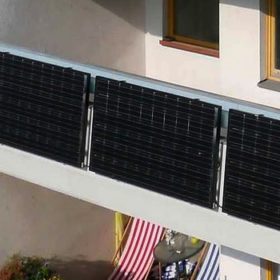
Luxembourg to allow use of mini solar systems
The Ministry of Economic Affairs is currently working on a new Electricity Market Act. In the future, the use of plug-in solar devices in Luxembourg should be allowed. Furthermore, self-consumption from solar sources may be exempt from paying the electricity tax.
