Toshiba and Next Kraftwerke prepare for Japan’s energy transition
The electronics brand has announced plans for a virtual power plant aggregator JV with German specialist Next Kraftwerke ahead of the opening up of the control reserve market in Japan in April – and the planned switch from clean energy FITs to feed-in premium, top-up payments a year later.
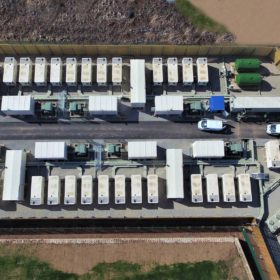
The UK’s biggest balancing act
The nation’s electricity system operator said it wanted more energy storage facilities and to procure new stability products following a big power outage last year. Some 12 months on, the country’s biggest battery storage company has rolled up its sleeves to take on a new role.
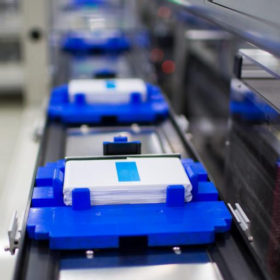
‘China must put EV battery reuse at heart of net-zero ambition’
The centralized nature of policymaking in Beijing would enable component standardization to ease the transition from EV to stationary energy storage use, according to Greenpeace East Asia.
Fraunhofer to develop battery inverter for whole-area UPS and renewables integration
Industrial and academic partners are developing a battery inverter which can be grid connected under normal operation but can also use nearby renewables generators to form an island grid, for whole-area uninterrupted power supply.
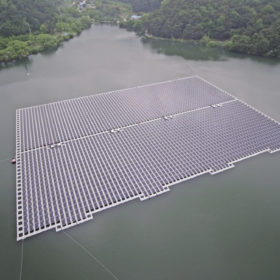
Australia a key player in new Global Power System Transformation team of 6
This week will see the official launch of a global taskforce that aims to support worldwide uptake and integration of renewables and achieve at least 50% reduction in emissions over the coming decade.
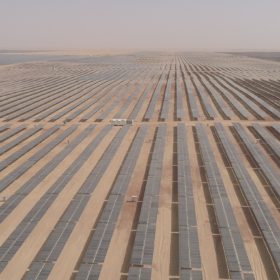
Scatec to drop the ‘Solar’ with hydro acquisition
The renewables business is set to acquire the SN Power hydropower operator belonging to Norwegian state-owned private equity business Norfund, with the $1.17 billion deal expected to go through in the first half of the new year. Scatec said the transaction could offer floating solar opportunities.
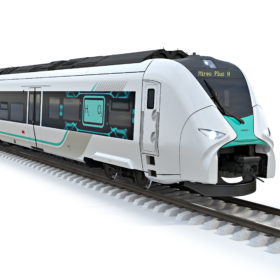
New Siemens units lay marks in hydrogen generation, mobility and energy-as-a-service
With a flurry of recent announcements, the newly-launched power division of the electronics giant plans to drive hydrogen mobility in Germany and enter the commercial and industrial power market in the US.

Total-EDF secure 1.35 GW of Indian solar in four months
The generation capacity – three 450 MWp projects in the state of Rajasthan – is expected to be commissioned towards early 2022.

EU wants lithium self-sufficiency by 2025
As the bloc pushes its digital and green transition agenda, policymakers have looked at the raw materials required. Little is mined, processed or assembled in Europe at present but the European Commission has a plan…
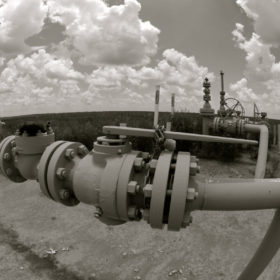
Georgia explores green hydrogen
The Caucasian nation could use its hydropower resources to generate the sustainable fuel for transport in its gas pipeline network. An agreement to cost the development of such an industry formed part of a deal which will see the EBRD lend the Georgian Oil and Gas Corporation €217 million to help it through a Covid-19-related cash crisis.
