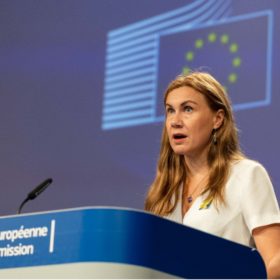
Rays of solar hope for Europe: A Midsummer reflection
For centuries, cultures in Europe have marked their calendars to celebrate Midsummer and the Summer Solstice. Traditionally a time to enjoy bright evenings, and the light and hope of the sun, the Summer Solstice falls on June 21. On the longest day of sunlight in 2022, Europe has much to hope for. After difficult pandemic years, enduring cost of living and energy price hikes, and the on-going, unprovoked, Russian war on Ukraine, Midsummer gives us a small moment to reflect on, and hope for, brighter times ahead.

Battery metals: How quickly can supply ramp up?
A couple of weeks ago, Goldman Sachs sent shockwaves through battery metals markets, issuing a prediction that cobalt and lithium in particular were due for a sharp price decline in the next two years. But London-based Benchmark Mineral Intelligence is loudly pushing back, outlining its reasons why it believes the call on lithium was wrong. Meanwhile, US analyst Wood Mackenzie says that the battery raw material chain will remain tight, but notes that recycling could help to ease the supply deficit.
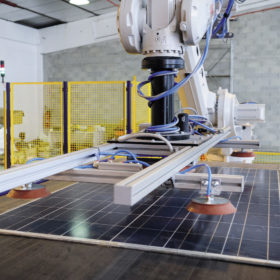
Recycling process promises ‘better than new’ silicon wafers
Scientists in China have developed a new recycling process for PV modules that can recover intact silicon cells from end-of-life products, and process them back into wafers. As part of the recycling process, the wafers are purified and surface-treated, making them suitable for integration into new, high-efficiency cells and modules.
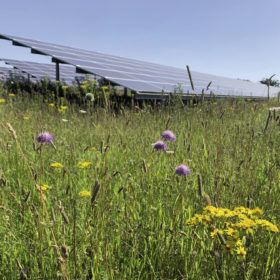
The weekend read: The dawn of deep green solar
The importance of biodiversity on solar farms is coming into sharper focus, due to the intersecting forces of sustainable finance and the UK Environment Act. These positive influences will likely change the way the industry and the public view solar farms, as they evolve into biodiversity hotspots that lead the recovery of nature. Everoze Partner Ellie van der Heijden discusses how boosting biodiversity can be an opportunity for solar developers and investors to increase their positive impact.
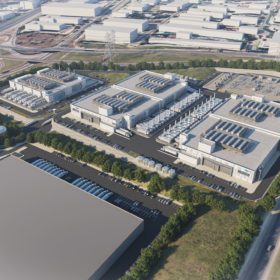
South African data center signs up for 87 MW of solar
A large campus in Johannesburg – Vantage Data Centers’ first in Africa – will receive a third of its energy from solar panels.
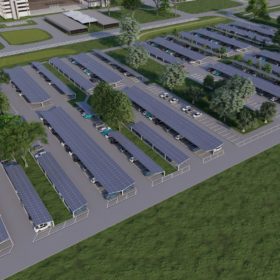
UK council plans MW-sized solar canopy linked to storage, EV recharging
The project, planned at a council-owned commercial development, is expected to be connected to 2 MW of storage.
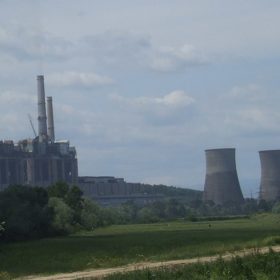
EU energy fund to commit $514 million for solar projects at Romanian mining waste sites
Panels will be installed at waste sites in five mining towns as part of the latest, €2.4 billion ($2.57 million) round of investment from a fund set up to help coal-dependent European member states with the energy transition.
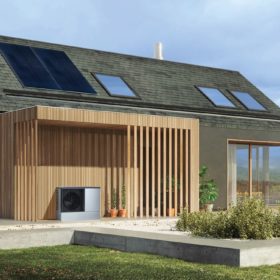
UK offers households up to $7,500 off heat pump costs
Homes and small businesses in England and Wales will be able to claim a discount off installation costs from a fund that will allocate $188 million annually as part of the subsidy program.
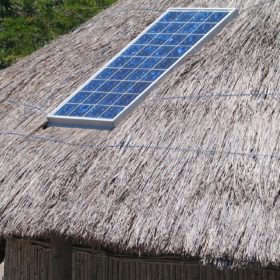
Irena gives latest update on stark chances of electricity access for all by 2030
The International Renewable Energy Agency’s latest annual report on the progress towards UN sustainable development goal seven estimates 670 million people will still lack electricity in 2030, and more than 2 billion will be reliant on unhealthy, polluting cooking methods.
Investors present European legislators with hydrogen economy wishlist
If the EU is going to drive more than half a trillion dollars worth of hydrogen investment over the coming decades, it will need to get investors onside. The European Investment Bank has surveyed financiers to find out what they want.
