China opens ‘world’s biggest carbon market’
With the nation having operated seven pilot programs since 2011, a national scheme started trading on Friday, although the first day’s average carbon price of around €6.70 per ton of emissions was significantly below the €50/ton levels currently being seen in Europe.

Importers could pay EU carbon tax from 2026
European commissioner for economy Paolo Gentiloni has outlined how the commission’s planned revision of the energy taxation regime, and introduction of an EU carbon border, could be applied.

‘Fit for 55’ could be fit for 660 GW of solar this decade
While trade group SolarPower Europe has welcomed the EU’s emissions-reduction legislative package, it renewed calls for solar and energy storage to be mandated on buildings and urged policymakers to go even further than the stated ambition for clean power to fire 40% of European electricity by 2030.

The Hydrogen Stream: Plans for $75bn, 50 GW green energy hub in Western Australia
Plus, as the European Commission prepares to present its ‘Fit for 55’ climate change package tomorrow, European companies are continuing to develop hydrogen plans, including Shell in Norway and Siemens in Germany.
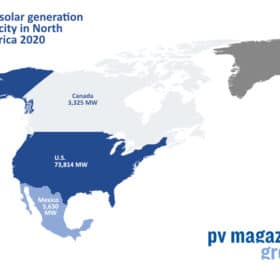
Nova Scotia preps 350 MW renewables procurement
The province wants sufficient clean power generation facilities to meet 10% of its electric demand after announcing it wants 80% of its electricity from renewables by 2030.
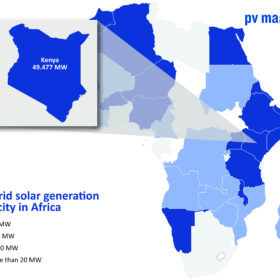
European funding for solar mini grids in Kenya
Some 22 villages in Busia county will receive a total of 7,000 electricity connection points plus solar-powered street lighting and water services after InfraCo Africa invested $4.2 million acquiring 40% of developer Kudura Power East Africa.

The weekend read: Looking at the energy transition’s bigger picture
Mark Jacobson, director of the atmosphere/energy program at Stanford University, has developed roadmaps for 143 countries to meet 100% of their energy demand from power generated by wind, water, and sunlight. In every case, these roadmaps promise major reductions in energy costs, while mitigating the effects of climate change and air pollution. pv magazine checked in with Jacobson for a look at the energy transition’s bigger picture.
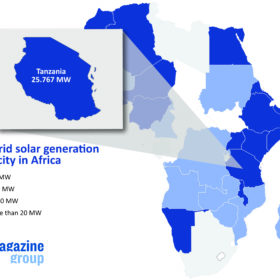
EU finance to back solar pumps and lanterns in Tanzania
European development campaign the Electricity Financing Initiative has invested around €1.26 million in a €1.5 million bond issued by domestic solar products supplier Simusolar.
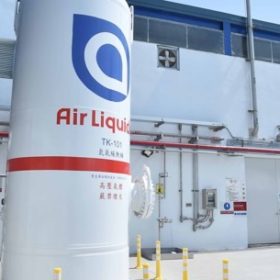
Five policies to make green hydrogen affordable in Europe – for just €24bn per year
With the EU carbon price sat at record highs of around €50/ton, the authors of a report into the policies needed to drive a clean hydrogen economy in Europe say the storage medium won’t compete with its fossil fuel powered version even if carbon allowances cost four times that level.

Interview: Corporates’ climate commitments open doors for massive renewable energy deployment
Corporate renewable energy purchases are at an all time high. In Europe alone, a record-breaking 4 GW of corporate power purchase agreements were signed in 2020, bringing the overall total to 15 GW. Globally, this figure is even higher. As part of the UP Initiative’s quarterly theme on ‘Sustainable electricity and corporates’ critical solar role’, pv magazine spoke to Hannah Hunt, Impact Director at RE-Source, a European alliance of stakeholders representing clean energy buyers and suppliers, about how the business model landscape for such purchases is evolving, and the challenges the sector faces, including shortages in renewable energy supply across Europe.
