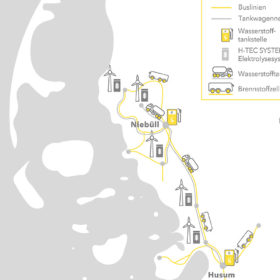
North German pilot hydrogen project gets cash boost
German company GP Joule wants to build hydrogen transport infrastructure in North Friesland. The electricity generated by five wind farms in the region will be converted to green hydrogen to be delivered to filling stations in Husum and Niebüll and used by two fuel-cell buses and five cars.
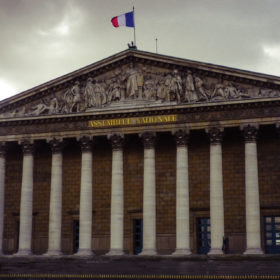
France makes 44 GW solar target official
Today’s edition of the Official Journal of the French Republic featured two long-awaited decrees: One concerning the multi-year energy program and another on national carbon budgets and the state’s low-carbon strategy.

The raw materials needed for the European Green Deal
A team tasked by the European Commission with estimating the raw material requirements of the European energy transition found if global PV roll-out is high, and the component requirements of certain solar technologies don’t improve by a greater margin, some elements could end up in short supply.
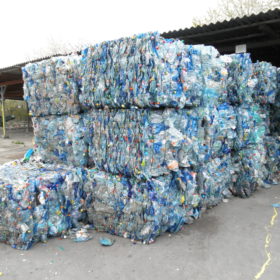
Instant battery electrodes – just two minutes in the microwave
Scientists in the United States have used microwaves to convert ubiquitous plastic packaging material polyethylene terephthalate into a battery electrode component. The researchers say anodes based on the material could be suitable for both lithium-ion and sodium-ion devices.

Sweden exits coal two years early
The Nordic nation is now the third European country to have waved goodbye to coal for power generation. Another 11 European states have made plans to follow suit over the next decade.

Australian researchers take solar windows to the next level
The building-integrated PV devices have taken a big leap forward on the back of a partnership between Australian scientists and a major glass manufacturer which will investigate the use of semi-transparent solar cells in commercial applications, potentially revolutionizing building design.
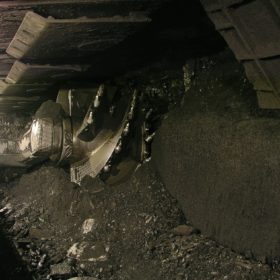
Solar project gets under way at Polish coal site
Despite Covid-19 hampering development, construction and financing Polish energy giant Tauron will start constructing a 5 MW solar project on a former coal-fired power station site.

Covid-19 daily bulletin: Italian PV developers do their bit for the nation
Solar project owners responded to an appeal to donate a portion of their solar incentive payments to the public health authorities as another multinational body emphasized the importance of coronavirus fiscal stimulus packages having environmentally-friendly conditions attached.
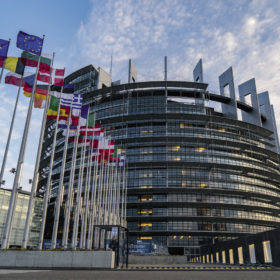
The weekend read: Greening finance
The world is watching to see whether signatories to the Paris Agreement can increase emission reduction targets to match the 1.5°C goal. While Covid-19 and oil shocks rock the markets and delay negotiations, if the financial community is given the correct information, tools and frameworks to shift its focus, the transition to a low carbon greener future may yet be assured. Felicia Jackson in London explores the implications of the EU’s Climate Law and the Green Deal that it promotes.
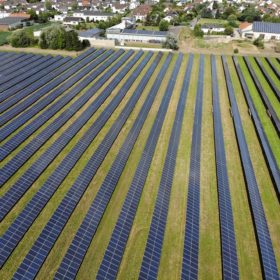
Would solar decarbonize French energy – or just replace nuclear?
A thinktank has studied whether increased solar energy would contribute significantly to reducing the carbon footprint of the French and European electricity systems in an attempt to respond to a common French refrain the nation needs no further decarbonization of energy because it has nuclear power.
