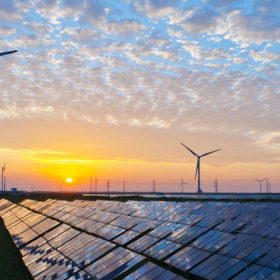
SEIA’s solar+ plan falls short on ambition
The Solar Energy Industries Association’s “ambitious goal” of solar supplying 20% of U.S. electricity in 2030 looks more like a forecast, and vision for rapid decarbonization is coming from the climate movement and the American Left, not SEIA.
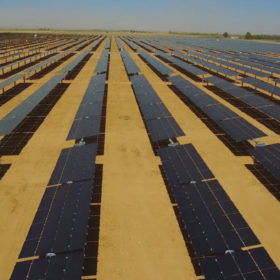
Designing for and monetizing curtailed solar power
Research by NREL and First Solar has produced highly accurate, real-time estimates of available aggregate peak power that a curtailed solar power plant can deliver to support the broader needs of the grid.

IHS Markit expects 4.3 GW of new storage this year
And the analyst expects that annual new additions figure to rise to 10.6 GW in 2025. This year the U.S. will surpass South Korea as the largest storage market due to new capacity for solar-plus-storage projects. In Japan and Australia, growth will be spurred by the termination of FIT programs.
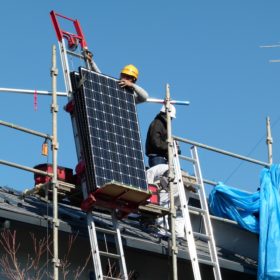
Sunrun eating into utility operations
By providing solar-plus-storage, contracting to supply capacity in wholesale markets and even considering microgrid communities, Sunrun is taking on more of the space traditionally occupied by utilities and large, centralized power generators.
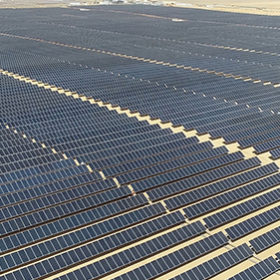
Egypt plugs 780 MW of Benban solar projects into grid
A government ministry reportedly announced 16 operational solar plants with a total capacity of 780 MW have been connected, along with three more projects that are expected to bring another 150 MW of capacity online this month.

Swedish Energy Agency eyes PV to achieve 100% renewables by 2040
Though PV will remain in the shadow of wind and hydropower in the north of Europe, an ambitious solar deployment scenario in Sweden could lift the market into the gigawatt club through to 2040.
Power-surplus Indian state says no to new solar capacity
Karnataka state has been forced to apply the brakes to new solar with its power distribution companies having fulfilled their renewable purchase obligations for the next two years. Projects driven by federal agencies will continue, however.

Battery storage market will be worth $13 billion by 2023
Analyst Globaldata says falling system prices, and the need for more resilient grids and favorable policies, continue to fire the energy storage industry around the globe and the Asia-Pacific region is likely to remain the biggest market.
The weekend read: Tapping new markets
The energy transition does not only change electricity generation, but ideally also how we consume. Electricity markets in Europe, however, must deal with legacy regulations that fail to incentivize ideal consumption patterns to reduce curtailment and make the best possible use of the renewable energy assets we have. The result is towering bills for ancillary services, that could easily be avoided with a few regulatory tweaks and virtual power plants.

Lukewarm response as Indian state of Gujarat re-tenders 700 MW of PV
A reduction in solar park charges was not enough to attract developers in the same numbers that flocked to a separate, 500 MW exercise two months earlier. The Raghanesda Solar Park continues to be a headache after a previous procurement was cancelled because the tariffs were deemed too costly.
