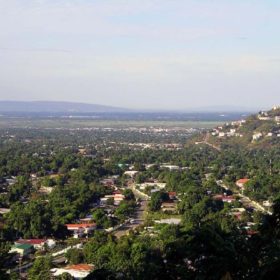
Construction begins on hybrid storage facility in Jamaica
The Jamaica Public Service Company (JPSCO) has announced the start of construction on a new hybrid storage facility set to provide spinning reserve power to the country’s grid. The project, according to JPSCO, is the first of its kind in the Caribbean and will be completed by April 2019.
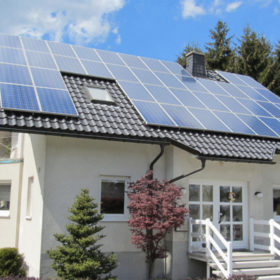
Solar rises to nearly 2% of US generation in 2017
Generation from U.S. solar increased 41% last year to 1.9% of all electricity, with solar making up more than 10% of generation in California, Nevada, Hawaii and Vermont.
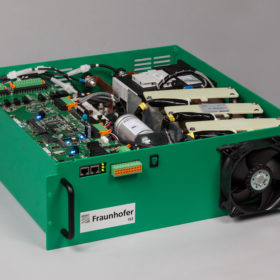
Storage Highlights countdown #4: Fraunhofer ISE’s power electronics
As Energy Storage Europe approaches, pv magazine counts down the highest-ranked energy storage highlights, selected by our independent jury, that visitors to the exhibition can lay their eyes on. In fourth-place was Fraunhofer ISE’s Cell-Booster and the power electronics for the project “Netefficient”, a technology planned for higher efficiencies, while reducing construction volumes.

AEE outlines key cyber security threats, as energy goes digital
A new report published by the U.S. Advanced Energy Economy Institute (AEE) identifies the biggest threats, and challenges for regulators, policymakers, technology providers and other players in protecting rapidly evolving energy systems from cyberattacks.
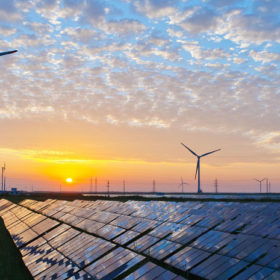
Seasonal patterns show a need for more solar in the U.S. electricity mix
An abundance of hydroelectric power and wind is pushing up renewable energy in the spring months, but there is a need for more power during the summer peak, as well as issues with the geographic location of resources.
Scientists study impact of RE, energy trade on power grid frequency fluctuations
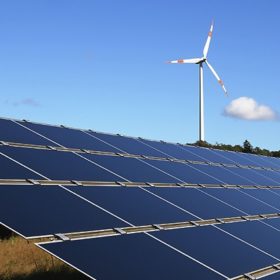
Research by scientists at the Queen Mary University of London, the Max Planck Institute for Dynamics and Self-Organization in Gottingen, alongside German and Japanese researchers, has sought to analyze the impact of renewables and trading on power grid frequency fluctuations.
From the US editor: Renewable energy and information pollution
A recent article in Bloomberg View illustrates clearly the mythology and misinformation that abounds regarding renewable energy, which in many cases is spread by the media.
Mali: Africa GreenTec issues €10 million corporate bond for solar containers
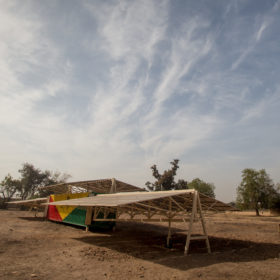
Up to 250,000 people are set to benefit from the containers, with communities revived by opportunities electricity can offer them.

Germany: Digital solar and storage event pits hardware against services
At the event “Digital Solar & Storage” organized by Solar Power Europe and Ibesa and held today in Munich, Germany, the opportunities offered by the digitization of the solar industry were discussed. A dispute arose over the role hardware development will play.
Weather and climate data: Answers to questions from the pv magazine webinar
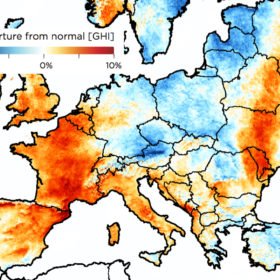
Assessment of weather data and forecasting are vital in reducing risks and, therefore, financing costs and losses during the operation of solar plants. Following a recent pv magazine webinar, Finnish environmental firm Vaisala has prepared detailed answers to the main questions posed by participants.
