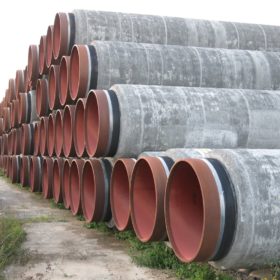
‘High energy prices are more of a threat than an opportunity for renewables’
In a short interview with pv magazine, Indra Overland, head of the Center for Energy Research at the Norwegian Institute for International Affairs, explains how keeping a cap on gas and electricity prices is crucial to avoid long-term political damage and a loss of support for decarbonization plans. While it is difficult to say what the overall impact on the world economy will be, high costs and instability are rarely beneficial for economic growth, he says.
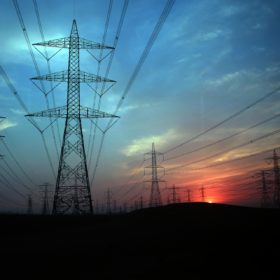
Fresh grid congestion warning as almost 5 GW of solar and wind backs up in Netherlands
Electricity transmission system operator Tennet has been forced to notify its regulator of more bottlenecks ahead, with the 5.6 GW capacity of the Gelderland and Flevopolder regional network already contracted out.
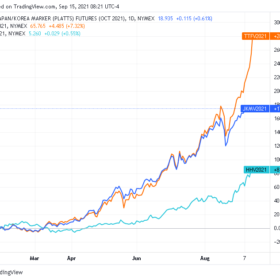
Skyrocketing energy, carbon prices already make green hydrogen competitive
Antonio Delgado Rigal, chief executive of energy forecasting service AleaSoft, tells pv magazine that skyrocketing gas and electricity prices are putting the global economy under strong pressure, while also opening up huge opportunities for solar, renewables and green hydrogen. He says current gas and electricity prices, along with rising CO2 prices, already make green hydrogen competitive. He therefore calls for immediate action on building new capacity, but acknowledges that a quick end is not yet in sight for rising prices.
Stake in Greece’s distribution grid sells for €2.1bn
The state-owned electric utility has agreed to sell 49% of its shares in the grid. The sale is expected to boost the country’s transition to a greener and smarter energy system.
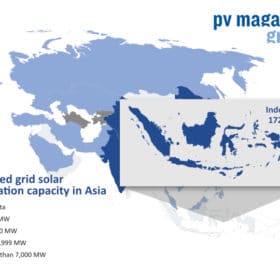
Regional strategy to turbocharge Indonesian solar
A roadmap to rapid carbon emission reduction has suggested the nation add 2.4 GW of generation capacity next year as part of a 15 GW new-solar target this decade. The claims of solar-plus-storage should be ignored for now, according to a new policy document, because batteries will make PV less competitive with coal.
Commission flags up €875m renewables project fund
A call for grant proposals has been promised this month, with the bloc’s executive yesterday firing the gun on a separate exercise related to cross-border EU energy infrastructure projects.

English solar developers prep for New Zealand
Hive Energy, Ethical Power Group and Solar South West have set up a joint venture they hope will lead to 350 MW of utility scale installations in a country which does not suffer from grid congestion and which appears to have an energy transition-friendly administration.
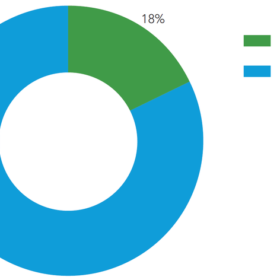
‘The chance to reset with a green recovery has now been lost’
Norwegian consultancy DNV today published the latest of its annual surveys of the state of the energy transition and lamented the fact so very little has been achieved during the last five years. We are forging ahead into a world that will be 2.3C hotter this century, predicts the report.

Cheapest long-duration storage for systems with high renewables
National Renewable Energy Laboratory researchers have studied which tech offers the lowest levelized cost of energy to provide the US Western Interconnection grid with electricity when wind and solar are not available. They assumed 85% renewables penetration and determined that geologic hydrogen storage and natural gas combined-cycle plants with carbon capture storage are the cheapest options for 120-hour discharge applications.
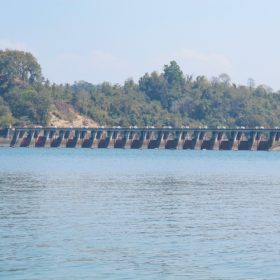
Combining big floating solar with hydropower
Scientists in Bangladesh have evaluated how a 50 MW floating PV plant could be integrated with the 230 MW Karnafuli Hydroelectric Power Station, located at the Kaptai Dam on the Karnaphuli River. They found that the two energy sources can be perfectly optimized and that PV can compensate for the reservoir’s shortage of water storage during the winter season while hydropower can compensate for the poor yields of the floating array during the monsoon season.
