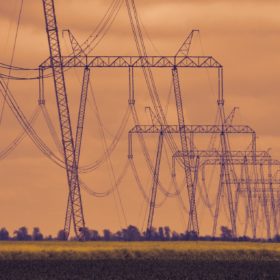
Upgrading US transmission lines could enable 27GW more renewable power per year
“Advanced conductors” can deliver more electricity than conventional transmission lines, using existing transmission towers. Renewables trade group ACORE calls for greater use of advanced conductors, “to accelerate low-cost decarbonization.”
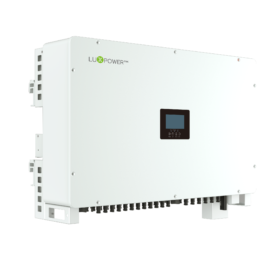
LuxpowerTek launches multi-string DC-DC converter
The Chinese electronics specialist has unveiled the first DC/DC converter in its product offering, dubbed the DC-coupled LSP 100K. The device features an efficiency of 97.9% and a European efficiency of 97.5%.
UK considers reform of renewables subsidy regimes
A conference about the UK’s electricity market showed organizations are considering the future of the country’s energy sector and how to achieve a net zero economy.
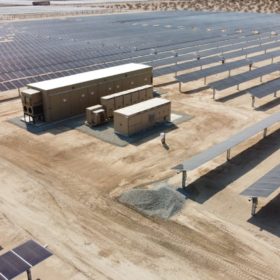
California’s solar market is now a battery market
A look at the interconnection queue of California’s grid operator shows that the US state’s market has already shifted to batteries – sometimes with solar, and sometimes without.

New US license to bring vanadium redox flow batteries to market
The US Department of Energy’s Pacific Northwest National Laboratory has made a third semi-exclusive commercial license for vanadium redox flow battery technologies, in order to help bring the technology to market.
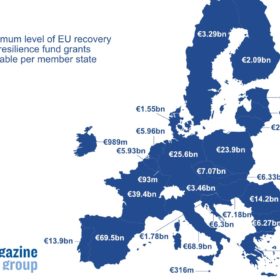
EU member states to spend €18bn of Covid cash on renewables
The 22 nations which have had their “recovery and resilience” spending plans approved by the European Commission are set to devote billions to clean energy facilities, with the cash set to be disbursed in three payments to the end of next year.
Satellite cyber attack paralyzes 11GW of German wind turbines
The communication channels affected are also used by photovoltaic systems.
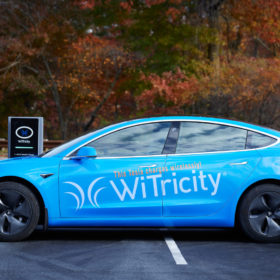
Wireless EV charging coming soon to US market
WiTricity has unveiled plans to develop wireless charging stations for select electric vehicle models.
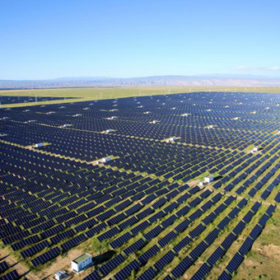
State Grid of China unveils plans for 100GW battery fleet
China’s largest state-owned grid operator and power utility plans to deploy the world’s biggest battery fleet and almost quadruple its pumped hydro storage by 2030, thus supporting the nation’s switch to renewable energy sources.
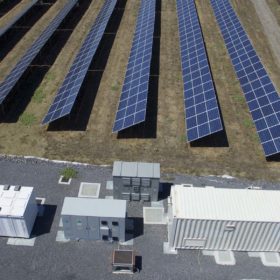
Enel to build 1.6 GW/6.6 GWh of storage under Italy’s capacity market scheme
The planned storage capacity will come from 20 projects selected by Italian grid operator Terna through the latest capacity market auction. Half of them will be located on the island of Sardinia.
