
The weekend read: Double glass can spell double trouble
Glass-glass modules are built to survive the toughest conditions and can deliver module lifetimes far exceeding the 20-30 years expected of glass-foil. The module concept is ideally positioned to catch the building bifacial wave, but only if quality concerns are addressed, warn some experts in the field.

Solar creeps into chemical production with new nylon synthesis process
A team of researchers at NYU have presented a new chemical reactor type that synthesizes a precursor for nylon production through electrosynthesis, rather than a thermal based reaction.

BNEF: Cheap finance is key to PV deployment in the developing world
While solar is lauded as a cheap energy resource in OECD countries, the cost of financing PV projects in developing nations has impeded progress. Development banks and the Clean Technology Fund they finance have played a key role in providing access to cheap financing for clean energy projects in many markets.

Australian scientists use hydrogen atoms to boost solar cell efficiency
Researchers want to better understand how hydrogen atoms may improve the performance of phosphorus-doped polycrystalline silicon (poly-Si) films for passivating contact solar cells.

“Spain is the hottest PPA market in the world, but auctions are necessary”
That was the one of the main conclusions reached among 400 attendees at the Solar plants in Spain: development, financing and energy future conference, organized by Soltec and PV association UNEF in Madrid this week.

Eight trends for the PV industry in 2019
IHS Markit’s analysts have mapped out what they are keeping an eye out for in the year ahead. Aside from higher installation figures, the number-crunchers predict a continued battle for multi-function in the hard-fought inverter segment and a potential watershed year for utility-scale storage.
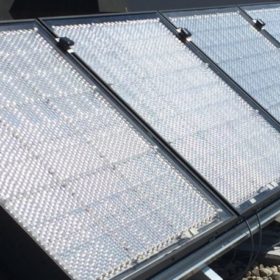
Swiss researchers claim 29% efficiency for residential CPV panel
The module was developed by Insolight, a spin-off of Switzerland’s École polytechnique fédérale de Lausanne. The panel is based on tiny solar cells usually used for spaceflight applications and the limited amount used in the module makes it close to mass production, its creators claim.
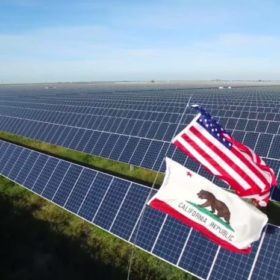
Solar Bill of Rights introduced by California senators
The legislation would enshrine a customer’s right to generate and store electricity as well as to connect to the grid without undue burden and would provide freedom from discriminatory fees and set compensation for battery power exports.

SERIS aims for 24% efficiency for mono PERC cell
The Singapore research institute will cooperate with China’s Ruxing Technology to increase the efficiency of its monoPoly™ technology. Through this cooperation, SERIS believes its solar cell efficiency could be raised to 24%, and module power beyond 345 W.

IRENA presents its crash course in adopting renewables
The International Renewable Energy Agency has examined how common ground between sectors; digitalization; and technological innovation can transform the energy system and lower the cost of renewables. Storage technologies such as behind-the-meter applications, utility-scale storage and power-to-x are working in the right direction and much can be learned about digitalization from other sectors.
