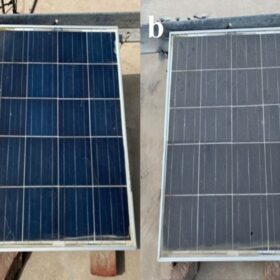
New research shows impact of dust on PV module temperature, performance
New research from Pakistan shows that dust could reduce PV panel performance through the shielding effect and the “dust-temperature” phenomenon. The scientists tested two PV systems in different parts of the country.
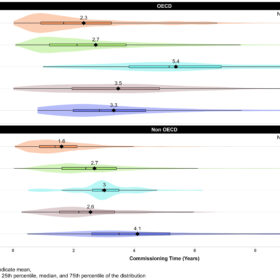
PV commissioning times up by 6 months over past 20 years, claim scientists
Scientists in Switzerland used project-level data from BloombergNEF to analyze completion times of renewable energy projects across 48 countries. They have found that average commissioning times have increased over the past two decades for all clean energy technologies.
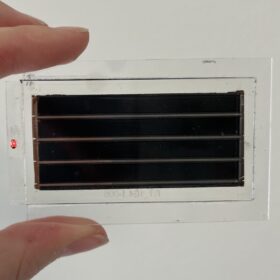
Canadian startup offers 35%-efficient indoor perovskite PV modules
Canada’s Solaires Entreprises says its indoor perovskite modules are suitable for powering a range of electronic devices, such as wireless keyboards, smart door locks, electronic shelf labels, and sensors.
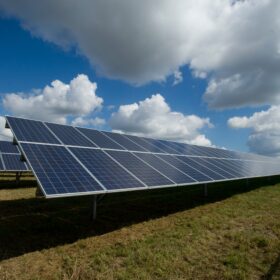
Cloud fraction nowcasting method for PV applications
Researchers in China have developed a novel way to predict the cloud coverage of PV plants. The method uses geostationary satellite and recurrent-neural networks.
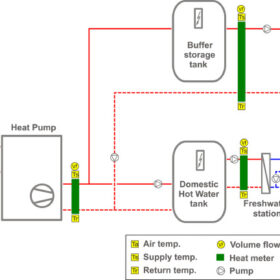
How to combine residential heat pumps with PV, battery storage
New research from Germany’s Fraunhofer Institute for Solar Energy Systems (Fraunhofer ISE) has shown that combining rooftop PV systems with battery storage and heat pumps can improve heat pump efficiency while reducing reliance on grid electricity.
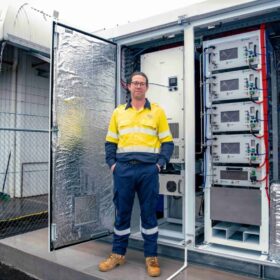
Pacific Energy delivers first hydrogen standalone power system
Pacific Energy has deployed a first-of-a-kind containerized hydrogen electrolyzer and fuel cell as part of a tech development project that is exploring the feasibility of using hydrogen as a clean energy source and storage solution in northern Australia.
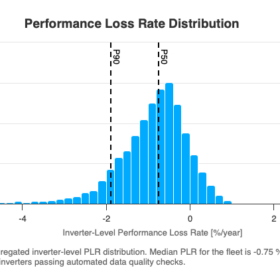
NREL says long-term degradation of 8 GW of US solar ‘matches expectations’
Research by the National Renewable Energy Laboratory (NREL) on the degradation of almost 8 GW of US solar shows that PV systems are degrading at a modest rate, within expectations. It says most PV systems experience minimal damage from short-term extreme weather, but warns of the risk of powerful hail, wind and snow.
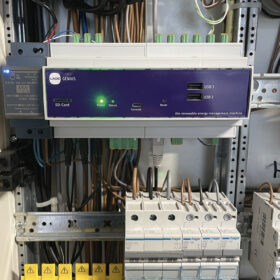
Weekend Read: Artificial opportunities
Artificial intelligence (AI) is hot right now and is finding central applications in homes and businesses as they move from simple grid connections to self-generation, energy storage, electric vehicle (EV) charging, and load-shifting revenue streams. With AI everywhere, what’s the difference between advanced control, via simple algorithms, and true intelligence?
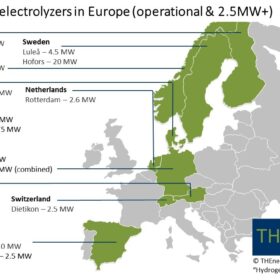
The Hydrogen Stream: Europe prioritizes PEM electrolysis
Several companies have announced new hydrogen deals in Europe, as Germany moves forward on hydrogen collaboration with Australia and the United Arab Emirates. pv magazine also spoke with Thomas Hillig, managing director of THEnergy, about Europe’s electrolysis capacity.
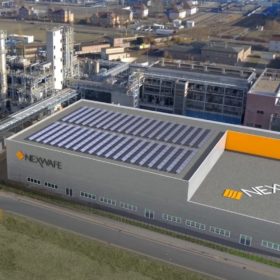
Germany’s Nexwafe mulling US wafer factory
German wafer manufacturer Nexwafe says it has set up a subsidiary in the United States to evaluate the potential to produce wafers in the country.
