Integration methodologies for solar-assisted heat pumps
Italian scientists have assessed the technical potential of vapor compression heat pumps assisted by photovoltaic-thermal systems. They analyzed two main configurations of this combination describing the advantages and disadvantages of both solutions. The cheapest and easiest to deploy system is a single-source direct-expansion (DX) configuration for hot water for space heating or domestic hot water.
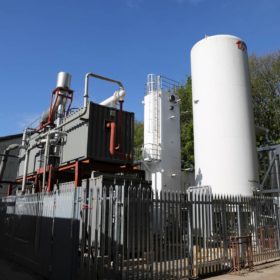
A closer look at liquid air energy storage
A British-Australian research team has assessed the potential of liquid air energy storage (LAES) for large scale application. The scientists estimate that these systems may currently be built at a cost between €300 and €600 per kilowatt-hour and that a positive business case could be favored by certain conditions, including a determined price structure in the energy market and the presence of a grid unable to support high levels of renewable energy penetration.
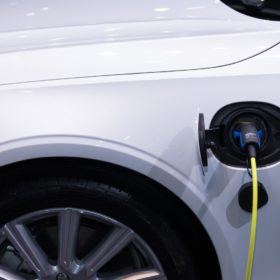
Residential PV makes EVs cheaper, reduces emissions
The maintenance cost of an electric vehicle is estimated to be significantly lower than internal combustion engines, and studies show home solar furthers the cost savings and boosts carbon emission reductions.

The weekend read: Don’t be afraid of BIPV
Necessity, as it’s said, is the mother of invention. For architect Samira Jama Aden, who plays a central role at Helmholtz-Zentrum Berlin’s BAIP consultancy for building-integrated photovoltaics (BIPV), the need for solar to be part of our built environment is becoming unavoidable. And for Aden, her mission is personal.

Tesla sells Maxwell Technologies but dry cell tech for lithium-ion batteries retained
Tesla acquired the Californian supercapacitor maker in 2019, leading some to speculate its EVs would use ‘supercaps’ for top acceleration. Two years on, it appears Elon Musk has moved on and sold Maxwell to UCAP Power, but Tesla has retained the company’s dry electrode tech.

The Hydrogen Stream: GCL will use Ethiopian natural gas to feed its ammonia and blue hydrogen
Plus there is news this week of a green hydrogen tie-up in India, plans for another German production facility, and of new hydrogen transport networks for Switzerland and the U.S.

CATL claims to have made sodium-ion batteries a commercial reality
The manufacturer has launched sodium-ion products online. Production has begun and will be easily scalable, according to the CATL chairman. Researchers have been keen to make the technology work as it offers a cheaper, more environmentally friendly alternative to lithium-ion products.
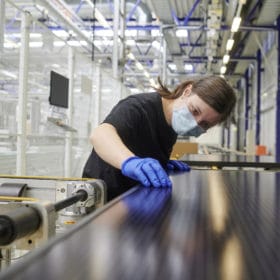
Meyer Burger plans to launch solar PV roof tiles in 2022
The Swiss group has acquired an integrated solar roof system solution from an unidentified German engineering service provider for this purpose. The aim is grow this sector from a niche market.
Europe had just 650 MW of solar cell manufacturing capacity at the end of 2020
The latest update to the Photovoltaics Report produced by research organization the Fraunhofer ISE has offered up the usual slew of interesting stats on the state of solar across the continent.

Maxeon secures EU cash to make its ‘stick-on’ solar panels in France
The TotalEnergies-controlled solar manufacturer will secure an, as yet undetermined chunk of a new €118.6 million low-carbon innovation fund to start producing its frameless, glass-free solar roofing products at Porcelette, in northeastern France.
