
Fraunhofer IMWS aims to make it possible to predict reliability and service life of inverters and batteries
The German research institute wants to develop an efficient and reliable methodology, which could contribute to considerable cost reductions in photovoltaic generation – both for manufacturers and operators.
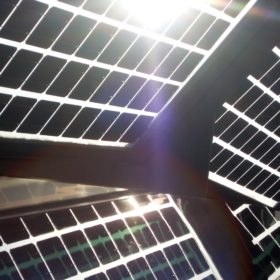
Rectangular aluminum fins for PV module cooling
Scientists in Pakistan have proposed a new passive cooling technique which they claim can improve a module’s open-circuit voltage by up to 12.97% and its efficiency by up to 2.08%.

UK enters the solar space race
The government has commissioned a study into the feasibility of generating solar power in space and beaming the energy down to earth now that commercial space launches have changed the rules of the game.
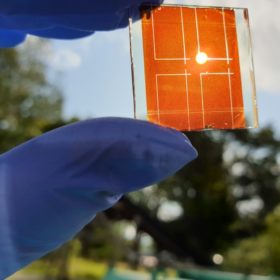
New tech to apply perovskite thin-film layers to conventional solar panels
According to its creator, Swedish start-up Evolar, the new technology can be applied to existing production lines for crystalline silicon modules and increase a product’s efficiency by around 5%.
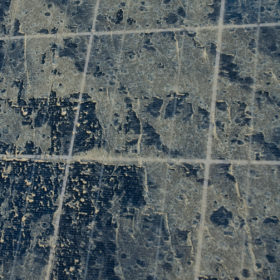
New panel cleaning tech based on nano-coating and mechanical vibration
Researchers in Egypt have tested a new solar module cleaning technique for solar arrays in arid regions. They claim that the combination of nano-coatings with vibration mechanisms on the backs of modules can reduce manual cleaning requirements.
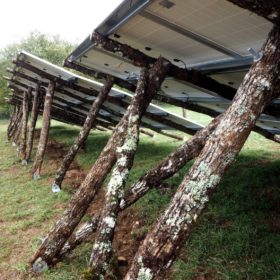
Solar park built on rough wooden structures in France
French cooperative Céléwatt and engineering company Mécojit are building a new, 250 kW solar park in southwestern France. The solar panels are installed on a raw wood structure, sourced from the surrounding forests, to promote local employment and a regional natural resource.

‘Solar should be at heart of EU recovery’
Solarpower Europe has called on member states to put solar and battery storage front and center when it comes to drawing up the Recovery and Resilience plans needed to secure a slice of the bloc’s proposed €672.5 billion post-Covid stimulus package.
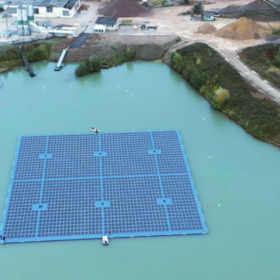
Floating PV on a quarry lake in southern Germany
Spanish company Isigenere has deployed a 739 kW floating array on a quarry lake near Dettelbach, in the Bavaria region. The plant is relying on 1,896 panels with a power output of 395 W each.

China could add 48 GW of solar next year – AECEA
The in-country analyst has revised up its expectation for this year and says a healthy unsubsidized project pipeline will keep the numbers ticking over in 2021. The spending plans necessary to ramp up renewables targets in the next five-year plan, though, could put the nation on a collision course with the EU.
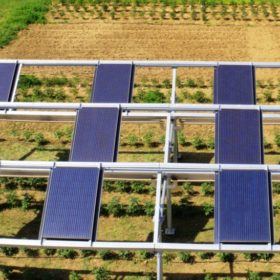
French alliance to build intelligent shade systems for agrivoltaics
French companies Ombrea and RES are partnering on the development of special PV shade systems for agrivoltaic projects. The devices will be equipped with artificial intelligence technologies to make them react to unfavorable weather conditions.
