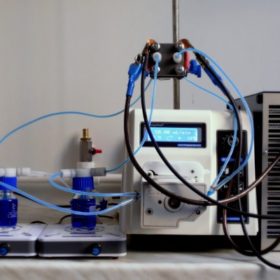
Russian design for vanadium redox flow batteries
Researchers claim to have developed a cheaper, faster method of assembling the field flow plate layers of the membrane electrode assembly used in vanadium redox flow batteries, which they claim outperforms traditional components.
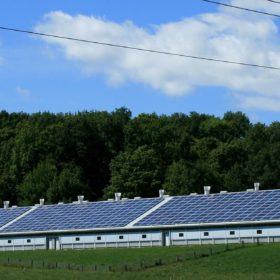
New business model to help utilities own and operate rooftop PV
Scientists from the Lawrence Berkeley National Laboratory in the U.S. have defined a utility-ownership model for rooftop PV they say could raise power company shareholder earnings 2-5%.
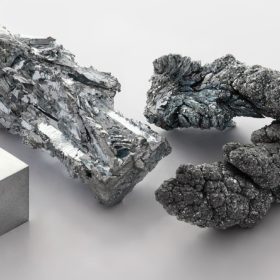
Strategies to improve rechargeable zinc metal batteries
A lack of standardized protocols is preventing rechargeable zinc metal batteries from complementing lithium-ion storage tech. A U.S. research team is now calling for standardized protocols for columbic efficiencies and greater zinc/electrolyte stability to make the technology viable.
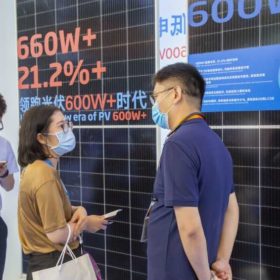
New 635-660 W module series from Trina
The latest products in the Vertex series from the Chinese manufacturer, unveiled at the SNEC PV Power Expo in Shanghai, are available in six versions with reported efficiency ranging from 20.4-21.2%.
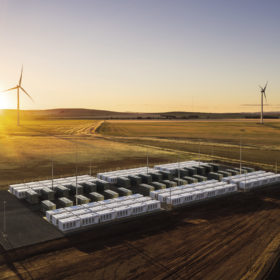
A battery chemistry schism is imminent
A report from Wood Mackenzie predicts lithium-iron-phosphate will overtake lithium-manganese-cobalt-oxide as the dominant stationary energy storage chemistry within the decade.

Photovoltaic blinds to improve greenhouse energy performance
A Swedish-Iranian research team modeled 14 photovoltaic blind configurations in checkerboard arrays 1m above a greenhouse roof emulated with EnergyPlus building energy simulation software. The group found a PV installation would reduce natural gas consumption, electricity demand and carbon emissions.
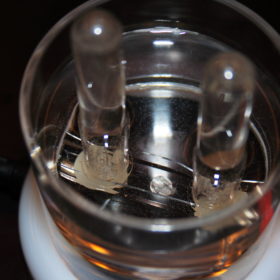
New membrane promises cheaper electrolysis
A novel anion exchange membrane has been developed by German chemical company Evonik. Its creators claim it can make hydrogen generation cheaper, as the cells used for electrolysis featuring the device would not require precious metals.
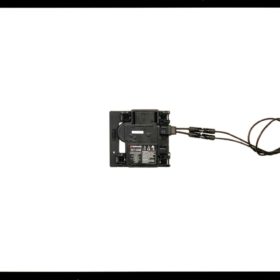
Enphase and Sonnenstromfabrik unveil AC solar panel
The US microinverter producer and the German panel maker have launched a residential glass/glass PERC module equipped Enphase IQ 7+ device. The 60-cell PERC module is available in three versions with power output ranging from 320 to 330 W and efficiencies of 18.8% to 19.4%.

Aluminum energy storage coming to Abu Dhabi
Swedish start-up Azelio says it will have a pilot project up and running in Masdar City by the end of next month. The technology sees electricity used to super heat aluminum with energy released on demand via a heat transfer fluid to drive a Stirling engine.
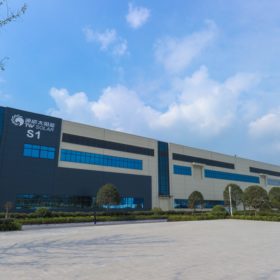
Chinese PV Industry Brief: Tongwei halts polysilicon output due to flood threat
A unit of the manufacturer has suspended poly production in Sichuan province because of flooding fears. The temporary factory shutdown will shave 25% off the group’s output capacity.
