
Time to adjust
With the state of the world in recent months, just the thought of a detailed, reliable, long-term contract brings a certain peace of mind. In the renewable energy space, it’s not hard to see why power purchase agreements (PPAs) have become so popular. These agreements, between all manner of power producers and corporate or […]
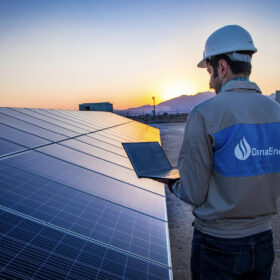
UP: Why sustainability due diligence matters
Despite debates in some parts of the world, we can expect environmental, social, and corporate governance (ESG) regulation to continue making headlines in 2025. Everoze Partner Ragna Schmidt-Haupt demystifies the key sustainability risks and opportunities for solar and battery energy storage system (BESS) projects.
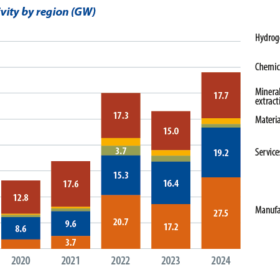
Data centers lead global growth in corporate PPAs
In 2024, the global corporate clean energy procurement market grew strongly, with a record 68 GW of power purchase agreements (PPAs) and other clean energy procurement deals announced. That amounted to 29% growth against the previous year. Caroline Zhu and Bruno Brunetti, of S&P Global Commodity Insights, examine the trends behind these numbers.

Speculation abounds over tax credits
There were mixed fortunes for US solar stocks in February, with the residential segment enduring another month of double-digit decline while utility-scale stocks rallied. Uncertainty looms over key tax credits, says Jesse Pichel, of Roth Capital Partners.
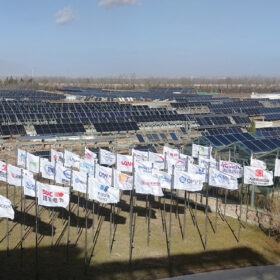
pv magazine test: February 2025 results
George Touloupas, vice president for environmental, social, and corporate governance and new services at Clean Energy Associates, and Huatian Xu, director of technology and quality, analyze the February 2025 results from the pv magazine outdoor test installation in Yinchuan, China.

24/7 PPAs meet their match
Hourly-matched power purchase agreements (PPAs) offer sustainability benefits and are cost efficient up to 80% to 90% hourly matching, although 100% matching is still costly. pv magazine caught up with Tim Höfer, senior consultant at Enervis Energy Advisors, to discuss 24/7 PPAs and findings from the consultancy’s recent white paper.

Tariffs the least of US market’s worries
While President Donald Trump’s sweeping levies on foreign imports have captured global headlines, antidumping and countervailing duty (AD/CVD) investigations into Southeast Asian products, along with a potential expansion of the Uyghur Forced Labor Prevention Act (UFLPA), could pose even greater risks for US solar and energy storage.

Final thought: Risks and shifts in the city
Itamar Orlandi, director of insight at Pexapark
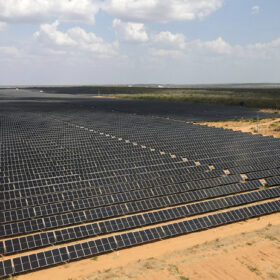
Supply, demand and the invisible hand
Brazil’s solar market is diversifying, following a record year for installations. Free-market opportunities are opening up for solar and a new grid capacity auction could support further energy storage deployment. Challenges remain, however, as Livia Neves reports.
Sharing the knowledge
Sustainability targets and a desire to hedge against energy price volatility mean power purchase agreements (PPAs) are big business for clean energy developers in 2025. pv magazine caught up with Pierre Bartholin, head of power hedging at Nuveen Infrastructure, to discuss the PPA market segment and how the addition of energy storage is set to shake things up.
