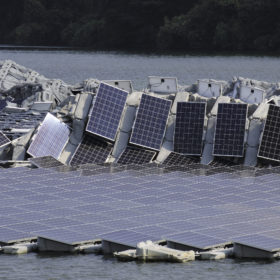
Climate-resilient decentralized solar solutions
A new report shows that decentralized PV installations in some parts of India are poorly designed to cope with future climate risks. The researchers outline policy and design considerations for more resilient structures.
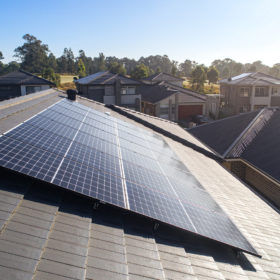
Average PV system sizes rising in Australia
The Australian Energy Council’s quarterly solar report points to something getting bigger in the solar industry that isn’t just about large-format modules – average PV system sizes are getting bigger in Australia.
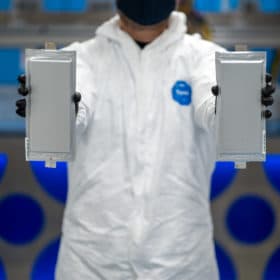
Solid-state battery maker picks up $130 million investment
US based battery company Solid Power announced that it has received $130 million in new funding from investors including Ford and BMW. With this backing, the company plans to begin pilot scale production of solid-state lithium-ion batteries suitable for electric vehicles early next year.

South African bank secures continent’s ‘first green loan’
The private-sector arm of the World Bank says it will lend up to $150 million to Johannesburg-based Absa Bank for green project funding.
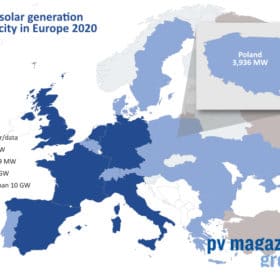
Polish solar developer bought by Norwegian state-owned energy company
Buyer Equinor could be in for a pleasant surprise – its assessment Wento boasts a 1 GW solar project pipeline in the nation significantly under-reports the 1.6 GW claimed by private equity fund seller Enterprise Investors.
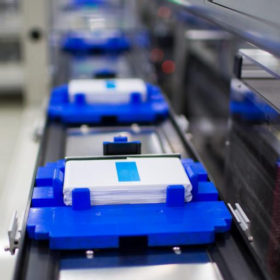
Thai plans for 8 GWh lithium battery gigafab
A Florida-based e-mobility company and a business park operator have pledged to invest up to $1 billion into the planned factory, in Chonburi province, starting with a 1 GWh section likely to take shape in 2023.

Algeria announces 1 GW renewables tender
The tender is expected to be launched between June and July and to be divided into ten lots of 100 MW each. Domestic content requirements for modules, cables and mounting structures should be included in the procurement exercise.
Webinar Q&A: A recipe for improved performance
In a recent pv magazine webinar, module degradation experts took our audience through the role of temperature and mechanical stress in causing modules to under-perform. We were treated to a look at some impressive results for modules integrated with Coolback – a solution that replaces the backsheet/rear glass and frame in a conventional panel and promises lower operating temperatures and better mechanical strength. Here, Simon Meijer and Alex Masolin, from Coolback – along with Fraunhofer ISE’s Andreas Beinert – answer some of the questions we didn’t have time for during the live broadcast.
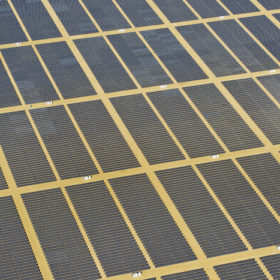
New SunPower chief fronts tough set of quarterly figures
Peter Faricy was not at the helm during the opening quarter of 2021 but his first earnings call saw him explaining a quarter-on-quarter reverse from a $413 million profit to a near $50 million loss.
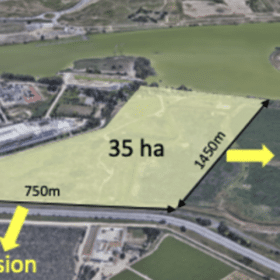
New details emerge on Spanish 5 GW solar panel factory
Greenland Gigafactory aims to start building a vertically integrated manufacturing facility in southern Spain later this year. Production activities are scheduled to start in December 2023.
