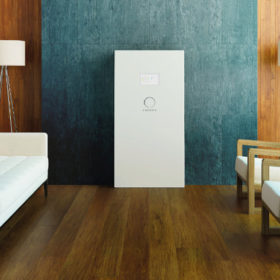
Distributed storage market to grow nearly twentyfold by 2028
Market intelligence company Navigant Research has developed a country forecast of the global market. Incentives and pricing will be the main driver of installations, though the market will continue to be concentrated in certain key regions for now.
EU lender pitches in for LG Chem battery gigafactory in Poland
The European Bank for Reconstruction and Development is lending €250 million for a project which has expanded from producing an initial 100,000 EV batteries per year to an hoped-for 1 million by 2022, creating 1,000 new jobs along the way.

New rules for lithium-sulfur selection
Scientists at the United States’ Argonne National Laboratory worked with a class of electrolyte materials they say could greatly improve the performance of lithium-sulfur batteries. The group has devised a selection rule which it says will help researchers select the most suitable electrolyte materials for different battery systems.
SolarEdge reports $1bn revenue in nine months
The third-quarter results for the inverter maker are in and look promising. All performance indicators are up for the steadily growing company.
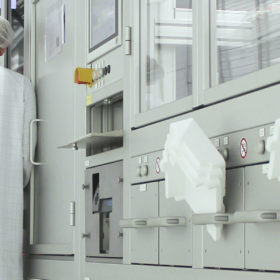
Valoe’s Lithuanian gamble rides on latest fundraising attempt
The Finnish solar manufacturer must raise €3.5 million from a convertible bond issued on Monday and which closes on December 18. Generate the cash and production is expected to start at the Solitek facility in Vilnius early next year. Fail, and (almost) all bets are off.
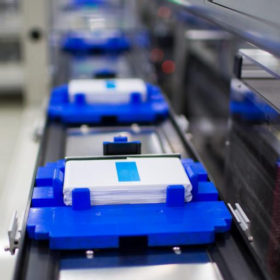
E-waste company opens battery recycling plants in Singapore and France
TES issued a press release announcing the new facilities that is light on detail but claimed the plants would position it as ‘a leader’ in battery recycling. The company also announced an intent to move into the reuse of spent electric vehicle batteries in commercial and residential applications.
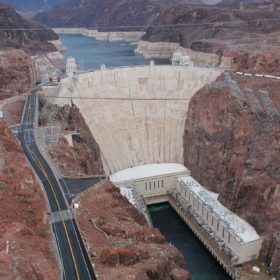
Saving water with solar and wind
Scientists at Princeton have found solar and wind energy offer the added environmental benefit of reducing water usage, by comparison with hydroelectric dams. Their findings, say the researchers, could have a positive impact on groundwater sustainability in drought-prone regions such as California, where they conducted a case study.

Tuvalu granted $6m for renewables ambition
The Asian Development Bank has signed off a grant for the South Pacific island nation to move on its plans to be 100% renewable by 2025.
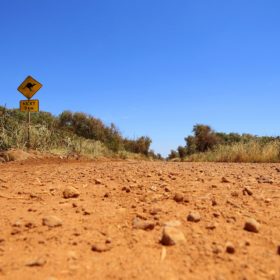
Engie Australia readies 2 GW renewables war chest
The French energy company is preparing a fund to develop clean energy in Australia over the next ten years. The move comes despite a federal energy policy vacuum that industry insiders fear is deterring investment.
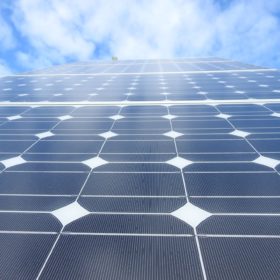
European solar manufacturer body hits out at EU focus on post-production eco labelling
The European Solar Manufacturing Council says a decision by policymakers to disregard the carbon footprint of imported solar products ‘makes absolutely no sense’. Talk of ‘jobs which require a rather low qualification’, meanwhile, is unlikely to heal the widening rift with solar project developers and panel installers.
