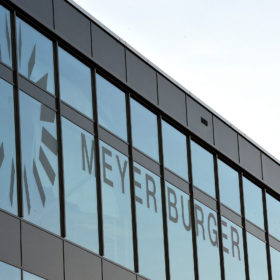
Meyer Burger closes German factory
The Swiss technology group plans to concentrate German production in Hohenstein-Ernstthal, in Saxony from the middle of next year. Around 60 employees have been affected by the plant closure. Meyer Burger said it plans to continue offering wafer inspection products in future.

Solaria bags power supply deal for 105 MW of solar in Spain
The Spanish business has secured a 10-year power purchase agreement signed by Swiss electric company Alpiq.

Big solar-plus-storage project helping Haiti reduce diesel consumption and power prices
The government of the Caribbean island is planning two solar parks with large scale storage with the help of the Inter-American Development Bank and the United States Agency for International Development. Inter-American is seeking technical help with tendering the projects.
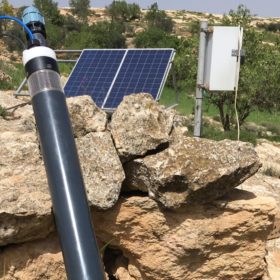
A solar-powered irrigation pump with pay-as-you-go option
Comet-ME has developed a solar-powered submersible borehole piston pump for off-grid communities and smallholders to use for irrigation and domestic purposes. The device, compatible with PV systems from 300-900 W in size, can pump water from 45m with as little as 50 W of continuous solar power.
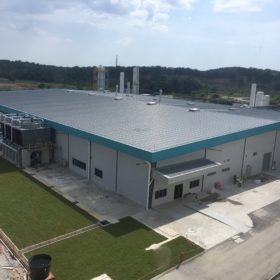
1366 Technologies adds $18m in pursuit of cheaper silicon solar cells
The company’s technology falls into the ‘kerfless’ wafer category: Instead of sawing silicon ingots into wafers, a time-consuming and wasteful process, 1366’s approach forms wafers directly, using molten silicon.
Solar glass factory approved by Malaysian government
The $483 million fab will be built by an unnamed ‘multinational glass manufacturer’ at the Kota Kinabalu Industrial Park, in the Sabah region.
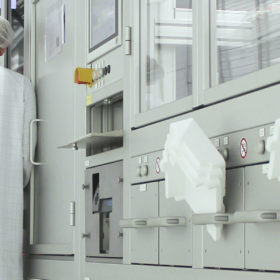
Valoe chief insists €3.5m fundraising is just one of finance options
The chief executive of the Finnish manufacturer – which this month missed another deadline to complete payment for the Lithuanian cell factory it acquired from Solitek – has insisted the €3.5 million convertible bond issue which was today extended by three months will not determine the fate of his company.

Engie, Tokyo Gas secure $60m loan for Mexican renewables portfolio
The private sector subsidiary of the French Development Agency is backing the construction of four solar power plants and two wind farms with a combined generation capacity of 900 MWp.
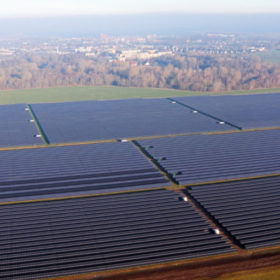
Baywa re sells German grid-parity solar plant to Encavis
The Munich-based group sold five solar parks with a total generation capacity of around 35 MW to the Hamburg-headquartered power producer. One of the five plants was among Germany’s first unsubsidized PV projects.
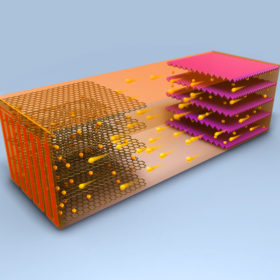
Charging an electric vehicle in 10 minutes
Scientists from Penn State University have developed a self-heating battery for electric vehicles which is said charge in only 10 minutes at 60 degrees Celsius.
