
Portugal to launch second 700 MW solar auction in January
While preparing for the country’s first, 1.35 GW solar tender in June, state secretary for energy João Galamba has revealed another procurement exercise will be held in January and rejected criticism next month’s auction has been badly designed.
South Africa considers petition calling for tariffs on imported solar modules
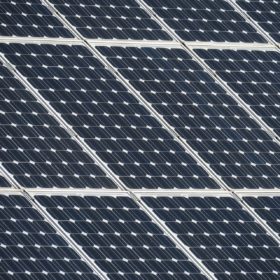
The complaint was submitted to the country’s International Trade Administration Commission by domestic module maker ARTsolar, which points out South Africa does not have anti-dumping duties to protect its manufacturers.
Electric vehicles help slash payback periods for residential PV
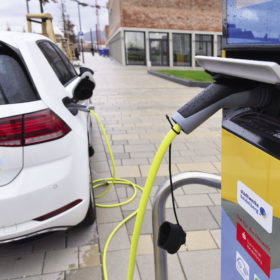
The Institute for Energy Economics and Financial Analysis has estimated the effect on the payback period of PV systems when adding EVs and storage in Germany and Britain. In both cases, system owners are likely to reduce their payback period by significant margins as increased self-consumption can offset the incremental phase out of government incentives.

US brings Turkish PV modules under Section 201 tariff regime
U.S. President Donald Trump has removed Turkey from the list of developing nations that are exempted from Section 201 tariffs on PV cells and modules.

Hungarian oil and gas provider MOL enters the hydrogen business
The fossil fuel company will partner with Slovakia’s InoBat to develop hydrogen-related projects in central and eastern Europe. Sourcing and supply of hydrogen will be the main focus of the cooperation.

California’s Solar Bill of Rights has been gutted by lawmakers
What was originally a landmark bill to establish rights for the owners of PV systems has made it to the floor of the California Senate in a dramatically reduced form.
EU Council of Ministers gives final green light on clean energy package
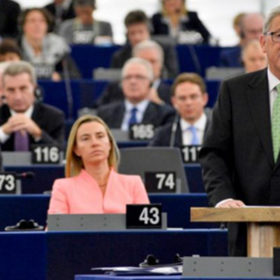
Long awaited – and even longer debated – the 1000 pages of legislation have finally been adopted by all EU institutions. Over the coming 18 months, there will be changes, some big, some small, to the markets in Europe. Across the continent, the renewable energy industry is likely to benefit.

Lebanon’s Tufail region may host planned 500 MW solar plant
The European Bank for Reconstruction and Development is seeking consultants for a feasibility study for the project. The plant would be constructed on land owned by the Banque du Liban.
Looking past perovskites
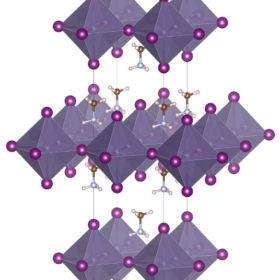
Researchers at the University of California, San Diego – with the help of the university’s Comet supercomputer – modelled thousands of halide compounds to come up with a shortlist of 13 materials that could be candidates for the efficient solar cell materials of the future.

Off-grid solution for Haiti electrification to receive $17 million funding
The government of Haiti and the World Bank have put in place a financial instrument to provide access to capital for companies active in clean off-grid energy solutions. The aim is to power 200,000 households over 10 years.
