
Ireland launches long-expected scheme for PV microgeneration
The program will be be grant aided, and will provide funds mainly for self-consumption projects. At a later stage, the scheme may also offer incentives for home battery storage.
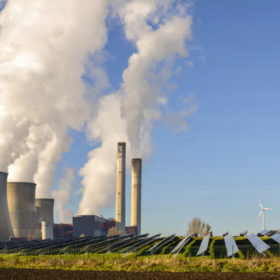
World Overshoot Day comes early this year
World Overshoot Day marks the day the world has used up its annual budget of the resources it could have sustainably consumed. Despite efforts in relevant sectors, the date is creeping forward every year. Twenty years ago, it was in late September.
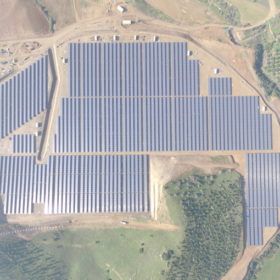
Panasonic completes 11.7 MW HIT module PV plant in Turkey
High-efficiency module manufacturer, Panasonic announced it had completed what it says is the world’s largest project using its HIT solar modules, in Turkey.

Egyptian Pyramids may help solar research
A group of Russian researchers has found out that under resonance conditions, the Pyramid of Giza can concentrate electromagnetic energy in its internal chambers. This discovery, the scientists claim, may also be used to develop high efficient solar cells.
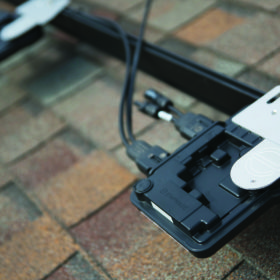
Enphase within striking distance of profitability in Q2 results
The company has brought its operating margin to below -1%, as it fends off component shortages, short sellers and potential tariffs.

Italian PV market registers 18% YOY drop in H1 2018
Despite recent announcements for large-scale solar projects across Italy, the country has seen just residential and commercial and industrial projects come online in 2018. Meanwhile, solar has been able to cover 8% of national demand in the first half of this year.

Scientists develop technique to boost organic solar cell efficiency
An international team of scientists working with polymer-fullerene solar cells has developed a process of fluorination, which demonstrated a significant boost in cell efficiency. According to Moscow Institute of Physics and Technology, the discovery could assist the development of new thin film solar materials.
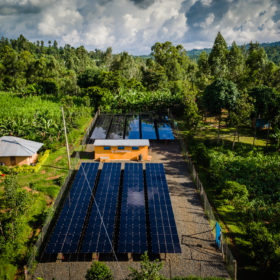
Chinese shadow over latest IEA world energy report
The International Energy Agency’s latest study of global energy investment paints another rosy picture for solar – even as the authors warn of missed sustainable growth targets – but the report covers last year, and notes China’s policy about-turn could blow a cold wind through PV.
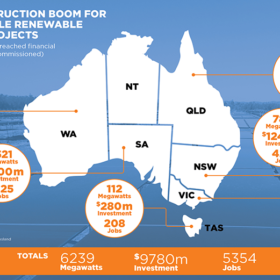
Australia: 3.1 GW of solar under construction, says CEC
According to the latest statistics from the Clean Energy Council (CEC), there are 42 wind and solar projects totaling 6239 MW worth close to $10 billion currently in construction or due to start soon across Australia. The unprecedented large-scale renewables activity is, however, surrounded by growing uncertainty over future policy and regulatory change.

Quality issues in Indian PV projects jeopardizing investments – report
Wildlife vandalism is the least of the worries afflicting PV system owners in India, according to a report which exposes cost-cutting in installation, non-existent warranties, serious safety concerns and improbable performance figures.
