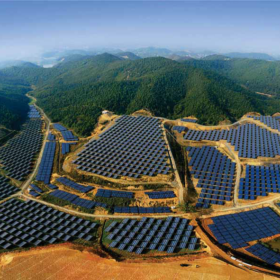
2017: The PV year in review
Trade cases, insolvencies, record-breaking low auction prices, China’s eye watering installation rates – all this and more characterized the 2017 solar PV industry. pv magazine reflects on the biggest stories, trends and developments of the past year; and summarizes what the industry can expect in 2018.
The weekend read: Six trends that will shape the inverter landscape in 2018
Inverter overview: As 2017 drew to a close following a record-breaking year for solar, pv magazine sat down to discuss the global inverter landscape with Cormac Gilligan, senior solar analyst at IHS Markit. With China dominant, India’s soaring solar market still very much up for grabs and technical innovation a perennial route to market leadership, these are the six trends that we believe will shape the solar inverter landscape this year.
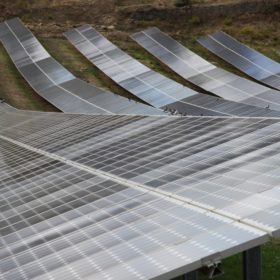
Tages Helios acquires 51 MW in Italy
Through the operation, the fund bought 35 solar facilities located in the southern Italian regions of Apulia and Sicily, and in the northern region of Emilia-Romagna.

Jufa buys two PV plants totaling 17 MW in Czech Republic
Through this operation, the Czech investment firm has raised the capacity of its PV power plant portfolio to 69 MW.
China sets lower solar FIT rates for 2018
The Chinese government has revealed its new feed-in tariffs (FIT) for different types of PV projects, with rates set to fall by as much as 15% from the start of January.
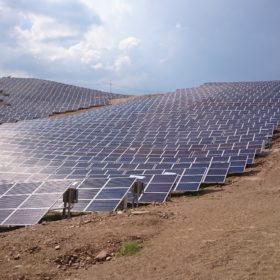
Hanwha Q Cells inaugurates Turkish PV factory
South Korean solar PV manufacturer, Hanwha Q Cells and its Turkish partner, Kalyon Enerji have inaugurated the construction of a fully integrated PV manufacturing factory in Turkey’s capital
City, Ankara.

Foresight announces Spain’s first solar PPA
The British investement firm said its 3.9 MW solar facility currently under construction in the southern region of Murcia will sell electricity to the power provider Energya-VM under a 10-year PPA.
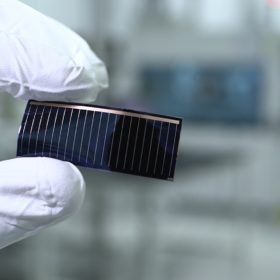
Hanergy to partner with Beijing EV group
Thin film solar producer, Hanergy has announced plans to partner with Chinese electric vehicle group BAIC BJEV to develop thin film solar products ‘for the car and household’, as well construction of distributed generation for industrial parks and solar poverty alleviation projects.
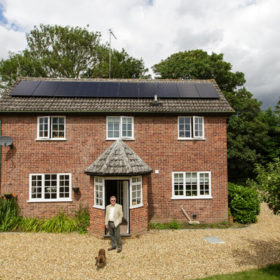
UK government figures show 902 MW year-on-year solar growth
For the 11 months up to the end of November, the U.K. added 902 MW of solar PV capacity to reach a cumulative total of 12,642 MW, which is around 7% higher than last year.

Brazil: BNDES and KFW launch $142.7 million credit facility for solar, renewables
The development banks of Brazil and Germany will jointly support, among other things, solar, wind, mini-hydro and biomass power projetcs.
