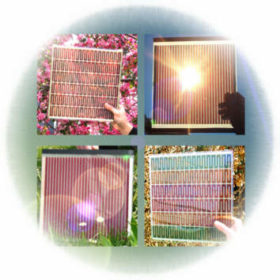
Scientists seek to improve efficiency of dye-sensitized solar cells with halogenes
Halogens have proved to be very successful in accelerating the electron transfer between the electrolyte and the semiconductor.

Cuba’s PV capacity reaches 65 MW
In 2017, around 32 MW of new PV systems were connected to the grid of the Caribbean country, accounting for almost half of cumulative capacity.

Finnfund provides $15 million financing for 100 MW El Salvador PV project
The Finnish development financier has granted a loan of $15 million dollars for the construction of 10 solar power plants in El Salvador. The projects are expected to be fully operational by 2019. Overall, they will have a capacity of 100 MW.
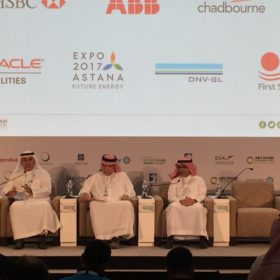
Saudi Arabia announces shortlist for 300 MW tender, excludes lowest bid
Shortlisted bidders are Saudi energy company, ACWA and Japanese trading company, Marubeni, which submitted the second and third lowest bids, respectively. The lowest bid, which was proposed by consortium formed by UAE-based Masdar and French energy giant, EDF and could have become the world’s cheapest offer for solar energy, was excluded from the auction.

South Sudan could reap immediate benefits from solar– report
The United States Institute of Peace (USIP) has proposed a “green pivot” for South Sudan, where solar energy could help decouple economic growth from the geopolitics of oil and gas. In a special report, it has identified three opportunities where solar could yield benefits. A donor-led transition is required.
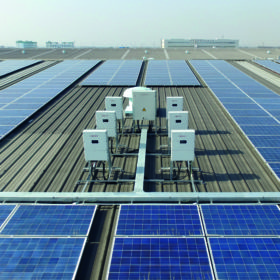
China grid connects over 500 MW DG solar in one day
Following the surprise removal of a grace period for PV rooftop projects last month, China reportedly saw over 500 MW of DG solar grid connected on December 29, after developers worked to secure 2017 FIT rates. Overall, EnergyTrend estimates DG capacity to be over 19 GW in 2017.
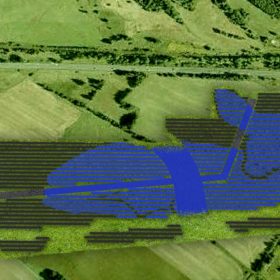
Polski Solar to build 10 MW deer-shaped PV plant in Poland
The solar park is being developed as an “energy cluster” in the frame of the recent reform of Poland’s Renewable Energy Sources (RES) Act.
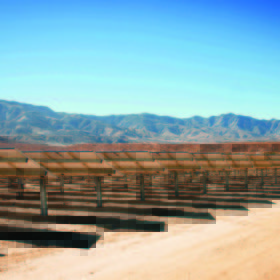
Arcelormittal confirmed as buyer of Exosun
The French tracker maker will be integrated in the ArcelorMittal Projects division of the Luxembourg-based steel manufacturer.

UMass scientists boost polymer-chain storage efficiency
A team from the University of Massachusetts, Amherst (UMass) has developed a polymer based energy storage system, which releases energy on demand as heat. The scientists say their system utilizes a polymer chain ‘organized like a string of Christmas lights’ and can achieve more than double the storage density of previous polymer based systems.
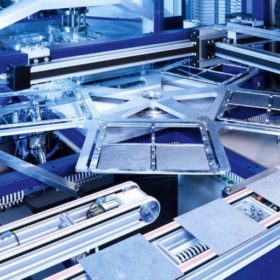
German PV equipment providers report decline in orders for 2017
After a strong start to the year, new orders from suppliers in Germany declined significantly in the course of 2017. However, order books are still well filled.
