
Sri Lankan garment manufacturer could invest in Bangladeshi renewables
Although the Windforce clean power developer controlled by garment maker Hirdaramani has not been forthcoming in response to pv magazine, it is reportedly considering installing 20-50 MW of solar and/or wind power capacity in the nation.
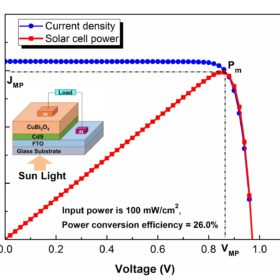
Heterojunction design for 26%-efficient copper bismuth oxide thin-film solar cell
Researchers in Bangladesh have simulated a solar cell based on a copper bismuth oxide material, used as an absorber, with n-type cadmium sulfide (CdS) utilized as a buffer layer. In the experiment, the device achieved an efficiency of 26.0%, an open-circuit voltage of 0.97 V, a short-circuit current density of 31.61 milliampere per square centimeter, and a fill factor of 84.58%.
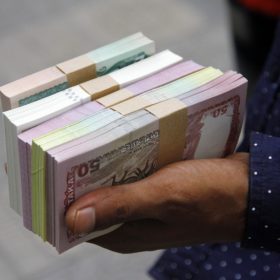
Bangladesh launches first green bond
With the World Bank celebrating the success of a solar home system installation program which has provided electricity to an estimated 20 million people, an NGO has floated a near-$12 million environmental investment which could drive further PV capacity.
Bangladeshi garment makers advance efforts to go green
The government’s clean power department has signed a co-operation agreement with a major clothing industry trade body in a bid to drive net-metered solar rooftop installation.
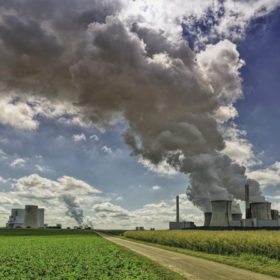
Is China shunning coal in its Belt and Road Initiative?
A leaked letter apparently sent by a diplomatic official states Beijing will no longer consider coal-related investment in Bangladesh, firing speculation that policy could be applied along all of the vast twin trade routes.
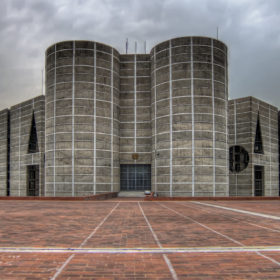
Bangladesh to try again with national clean power policy
Having fallen far short of its ambition to generate 10% of its power from renewables by last year, Dhaka is preparing to reformulate its national clean power target.
Location-dependent performance model for bifacial installations
Bifacial PV modules and single-axis trackers go well together, but a global research team has now noted that a comprehensive location-dependent performance analysis still has yet to be done. Their findings could help to determine the right plant setups in different locations throughout the world.
German solar developer faces demonstration in Bangladesh
Ib Vogt and its local partner are facing protests from farmers who claim a planned 207-acre PV project site will destroy their livelihoods by occupying fertile fields.
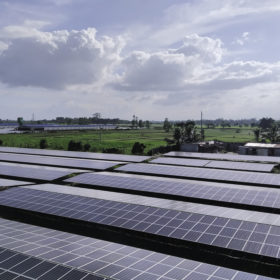
Bond market to finance 230 MW solar projects in Bangladesh
Bangladesh-based Beximco Group has said it will raise nearly US$400 million in Islamic bonds to finance two solar PV power plants totaling 230 MW in the country’s northern districts.
UN calls on Bangladesh to put renewables first
As it prepares to lift the nation out of its list of the world’s least developed countries, the supranational body said the country should turn its back on coal and other fossil fuels.
