Chile enacts law on energy storage, electromobility
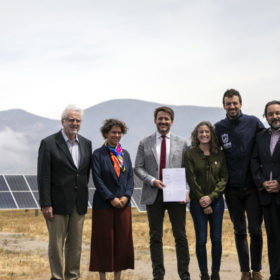
Chile has enacted the Renewable Energy Storage and Electromobility Law, which will compensate standalone storage projects for injecting electricity into the grid and being available at times of peak demand.
Strategically timed, transnational exchange of solar energy
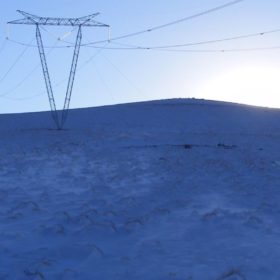
Argentina and Chile are reactivating the Andes Interconnection Line to facilitate the bidirectional exchange of energy. During the day, Argentina will receive 80 MW of solar from Chile, but it will export back 200 MW of natural gas at night.
Four injured in solar thermal plant accident
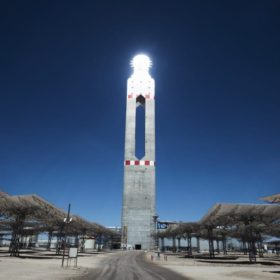
Four people who were carrying out inspection work at the Chilean Cerro Dominador solar thermal plant have suffered burns due to a high-temperature water leak. Two are in intensive care.
Chile contracts 777 GWh of power in renewables auction, average price comes in at $0.03738/kWh
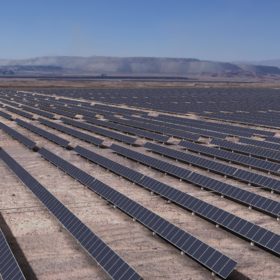
The Chilean energy regulator concluded an auction to supply electricity to the national system over a period of 15 years from 2027.
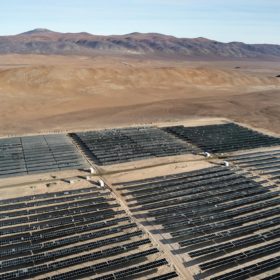
Solar park powering astronomical observatory in Chile’s Atacama Desert
A solar facility with an installed power of 9 MW has come online at the Paranal Observatory operated by the European Southern Observatory (ESO). The PV plant is also intended to power the world’s largest telescope that is currently under construction at the observatory.
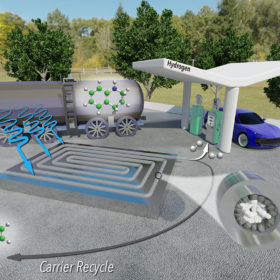
The Hydrogen Stream: Novel tech for extracting hydrogen gas from liquid carriers
North Carolina State University (NCSU) has developed an energy-efficient strategy for room-temperature hydrogen release from liquid hydrogen carriers, which uses less rhodium. Elsewhere in the world, Airbus launched its Zero Emission Development Centre in the UK, Toshiba ESS teamed up with Fusion Fuel to target Australian and European markets, and Corfo signed agreements to finance three renewable hydrogen projects with GNL Quintero, iCAP, and Air Liquide in Chile.
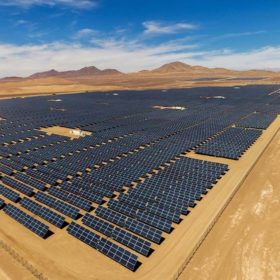
Chile wants to build up second-life solar module industry
Chile is launching a new initiative to reuse PV modules via a public-private partnership involving Enel Green Power.

Chile tenders 2,700 hectares for wind, solar deployment
The allocated land will be used for either wind or solar power projects. Interested developers will have time until May 25 to submit their project proposals.
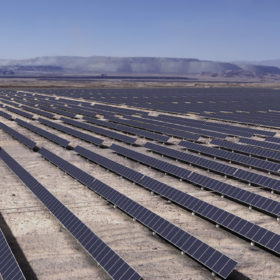
Chile launches 5.25GWh renewable energy auction
The Chilean energy regulator has launched an auction to supply electricity to the national system over a period of 15 years from 2027. The final results will be announced in the summer.
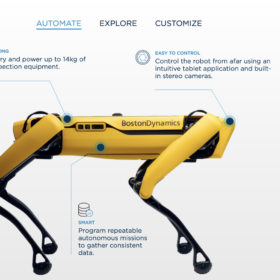
Robot dog for PV plant monitoring
Spanish renewable energy company Acciona is using a robot dog, instead of drones, to monitor a solar park in northern Chile. The device has a built-in thermal vision system that generates thermographic reports on the status of the different PV plant components, as it walks between the panel rows following a programmed route.
